New
We are proud recipients of the CSS Design Awards.
Marketing for digital age.influencers.social media.
We create unique, tailor-made website designs that perfectly reflect your brand identity and engage your target audience.
Trusted by these amazing companies
Ideas driven by passion.
Whether you are looking to create a new website from scratch or revamp your existing one, our team will help you to achieve your goals.
Whether you’re curious about our services, our process, or how we can help your business succeed, you’ll find the information you need right here.
✦ Trusted Experience
Our success at a glance 🤘🏽
Helping startups establish a strong digital presence and grow their business. We pride ourselves on our ability to transform businesses through innovative technology and expert guidance.
happy clients
awards
offices
✦ Crafting Digital Experiences
Elevate your brand
Whether you are looking to create a new website from scratch or revamp your existing one, our team of skilled designers and developers is here to help you achieve your goals.
Client centric approach

Aftertrash
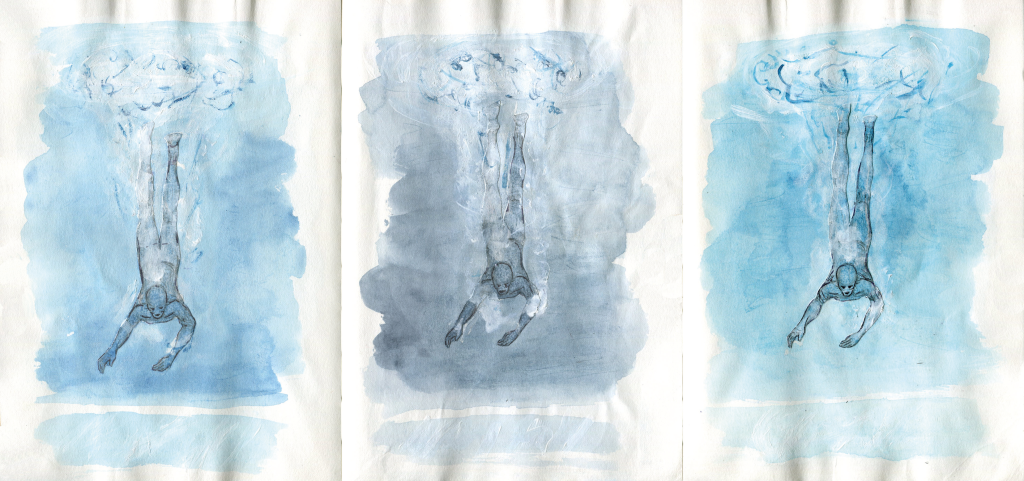
Aftertrash is a Serious Game prototype developed in the context of my bachelor’s degree.
Overview
Role
Game Design and Game Development
Genre
Serious Game
Tools
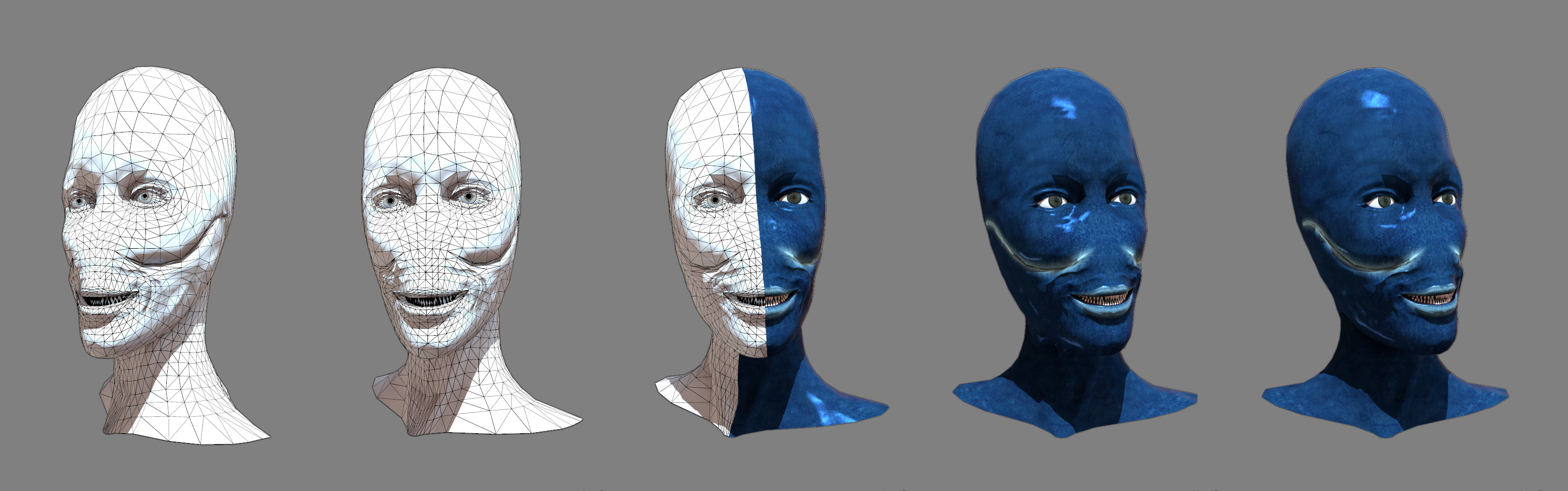
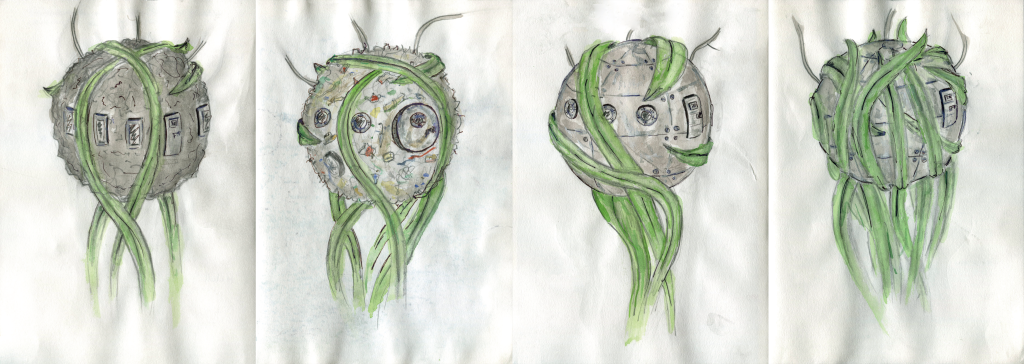
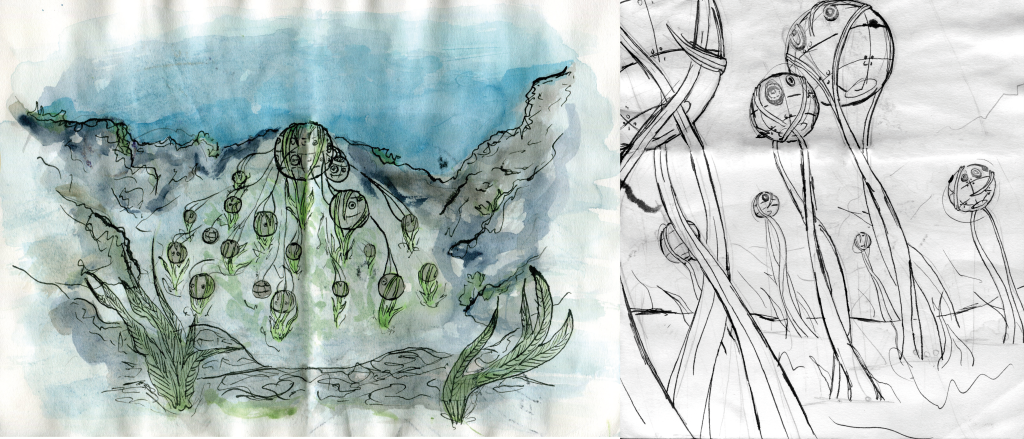
Photoshop, Analog Art, Blender
Team Size: 1
Duration
2015
3 months
Background
In this game, players engage with individuals who are often ignored in the Berlin metro, gradually uncovering their stories and personal backgrounds. Through these conversations, the once-invisible become visible, both in the game and in players’ awareness.
Goals
In my thesis, I was researching Procedural Rhetoric, the concept describing the way video games can use rules to communicate ideas and potentially produce behavioral changes.
Having players engage directly with the personal stories of homeless individuals in the game aims to humanize a social issue, allowing them to feel more connected to and compassionate towards people in similar situations in real life. Further, the game is supposed to encourage a deeper reflection on real-world social issues, challenging players to question their own beliefs and the systems that shape their perspectives.
Challenges
This project required managing a high workload as a solo developer, portraying homelessness with sensitivity, integrating nuanced procedural rhetoric, and crafting engaging gameplay that fosters empathy and awareness. These challenges were intensified by the responsibility of tackling a socially significant theme alone, making it crucial to navigate each aspect thoughtfully.
Role(s) and responsibilities
Research and Data Analysis
I conducted in-depth research on social invisibility, inequality, and discrimination relating to homelessness. This includes understanding real stories from affected individuals, societal perceptions, and the root causes. I was able to interview people who have experienced homelessness to incorporate authentic stories.
Narrative Design
Crafting compelling, respectful, and nuanced dialogue rooted in thorough research was essential to authentically portraying the realities of homelessness and societal attitudes, ensuring a genuine storyline. The entire interaction is thoughtfully designed to deepen the player’s understanding, highlighting the diverse backgrounds and unique circumstances of those affected.
Narrative design and level design were closely intertwined in this project, as the progression of the game hinged on player conversations. Each dialogue followed a branching decision tree, allowing for multiple possible outcomes. Unlike many games that over-promise on the impact of player choices, I took an unconventional approach: certain decisions will result in the inability to progress further, effectively halting the game entirely.
This served merely as a critical element of its overall game design concept.
Game Design
Ian Bogost’s Procedural Rhetoric focuses on using a game’s rules and mechanics to convey meaning. Instead of directly telling a story, the game’s systems reflect real-world dynamics, encouraging players to experience and understand complex issues through interaction. This approach lets players learn by engaging with the game’s structure, promoting critical thinking about real-world systems and issues.
All Game Mechanics were implemented based on this very concept to research it further. They were directly tailored to teach awareness and empathy towards other people.
I developed the structure of the player’s journey, such as how they navigate conversations, learn stories, and encounter new perspectives. The game’s core mechanics, flow, and player interactions were designed based on this theory.
Visual Design
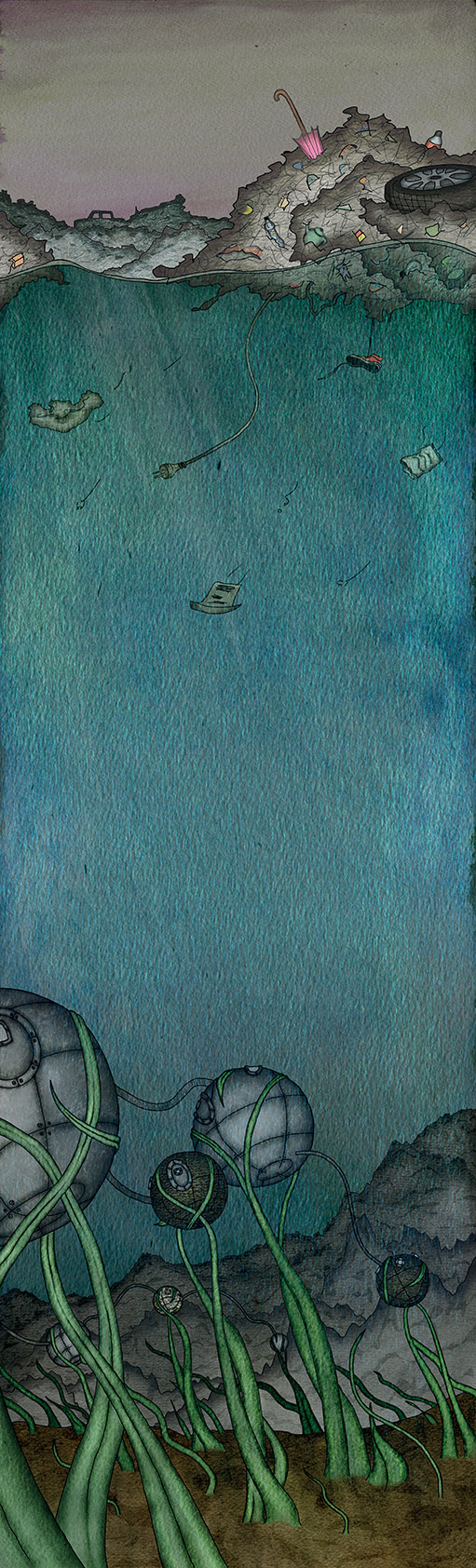
After evaluating the time frame, it became clear that priority needs to be Game Design, so I chose a minimalist but aesthetic art style. My design of characters, the environment, and UI elements convey empathy and respect for the characters’ stories. The mood was set through a muted, realistic color scheme.
Quality Assurance
The game was playtested regularly in development to ensure it functions smoothly and achieves its emotional objectives. Towards the end of production, I implemented more testing and feedback from a more diverse group of testers. This gave me valuable insight, so I was able to go into a new direction in one of the main interactions.
Key Takeaways
Prioritizing
Managing all aspects of development alone was challenging. This was worsened by a grand scope and high orientation to detail. In the future, collaborating with a larger team or delegating tasks could improve efficiency and allow for deeper focus on key areas, such as game mechanics.
Deepened Testing
While testing towards the end of development yielded valuable insights, conducting broader playtests earlier in the process could have identified usability issues and informed design adjustments sooner.
Achievements
Empathizing
This project deepened my grasp of crafting content that is authentic and credible. I also gained a profound understanding of designing an empathetic user experience, enabling me to create interactions that resonate emotionally and meaningfully with players.
Award
The game won “Best Bachelor Project” in 2019 among all other BA projects of that mayor.
Industry Leading Team
Aftertrash
Aftertrash is a Serious Game prototype developed in the context of my bachelor’s degree.
Overview
Role
Game Design and Game Development
Genre
Serious Game
Tools
Photoshop, Analog Art, Blender
Team Size: 1
Duration
2015
3 months
Background
In this game, players engage with individuals who are often ignored in the Berlin metro, gradually uncovering their stories and personal backgrounds. Through these conversations, the once-invisible become visible, both in the game and in players’ awareness.
Goals
In my thesis, I was researching Procedural Rhetoric, the concept describing the way video games can use rules to communicate ideas and potentially produce behavioral changes.
Having players engage directly with the personal stories of homeless individuals in the game aims to humanize a social issue, allowing them to feel more connected to and compassionate towards people in similar situations in real life. Further, the game is supposed to encourage a deeper reflection on real-world social issues, challenging players to question their own beliefs and the systems that shape their perspectives.
Challenges
This project required managing a high workload as a solo developer, portraying homelessness with sensitivity, integrating nuanced procedural rhetoric, and crafting engaging gameplay that fosters empathy and awareness. These challenges were intensified by the responsibility of tackling a socially significant theme alone, making it crucial to navigate each aspect thoughtfully.
Role(s) and responsibilities
Research and Data Analysis
I conducted in-depth research on social invisibility, inequality, and discrimination relating to homelessness. This includes understanding real stories from affected individuals, societal perceptions, and the root causes. I was able to interview people who have experienced homelessness to incorporate authentic stories.
Narrative Design
Crafting compelling, respectful, and nuanced dialogue rooted in thorough research was essential to authentically portraying the realities of homelessness and societal attitudes, ensuring a genuine storyline. The entire interaction is thoughtfully designed to deepen the player’s understanding, highlighting the diverse backgrounds and unique circumstances of those affected.
Narrative design and level design were closely intertwined in this project, as the progression of the game hinged on player conversations. Each dialogue followed a branching decision tree, allowing for multiple possible outcomes. Unlike many games that over-promise on the impact of player choices, I took an unconventional approach: certain decisions will result in the inability to progress further, effectively halting the game entirely.
This served merely as a critical element of its overall game design concept.
Game Design
Ian Bogost’s Procedural Rhetoric focuses on using a game’s rules and mechanics to convey meaning. Instead of directly telling a story, the game’s systems reflect real-world dynamics, encouraging players to experience and understand complex issues through interaction. This approach lets players learn by engaging with the game’s structure, promoting critical thinking about real-world systems and issues.
All Game Mechanics were implemented based on this very concept to research it further. They were directly tailored to teach awareness and empathy towards other people.
I developed the structure of the player’s journey, such as how they navigate conversations, learn stories, and encounter new perspectives. The game’s core mechanics, flow, and player interactions were designed based on this theory.
Visual Design
After evaluating the time frame, it became clear that priority needs to be Game Design, so I chose a minimalist but aesthetic art style. My design of characters, the environment, and UI elements convey empathy and respect for the characters’ stories. The mood was set through a muted, realistic color scheme.
Quality Assurance
The game was playtested regularly in development to ensure it functions smoothly and achieves its emotional objectives. Towards the end of production, I implemented more testing and feedback from a more diverse group of testers. This gave me valuable insight, so I was able to go into a new direction in one of the main interactions.
Key Takeaways
Prioritizing
Managing all aspects of development alone was challenging. This was worsened by a grand scope and high orientation to detail. In the future, collaborating with a larger team or delegating tasks could improve efficiency and allow for deeper focus on key areas, such as game mechanics.
Deepened Testing
While testing towards the end of development yielded valuable insights, conducting broader playtests earlier in the process could have identified usability issues and informed design adjustments sooner.
Achievements
Empathizing
This project deepened my grasp of crafting content that is authentic and credible. I also gained a profound understanding of designing an empathetic user experience, enabling me to create interactions that resonate emotionally and meaningfully with players.
Award
The game won “Best Bachelor Project” in 2019 among all other BA projects of that mayor.
Industry Leading Team
Aftertrash
Aftertrash is a Serious Game prototype developed in the context of my bachelor’s degree.
Overview
Role
Game Design and Game Development
Genre
Serious Game
Tools
Photoshop, Analog Art, Blender
Team Size: 1
Duration
2015
3 months
Background
In this game, players engage with individuals who are often ignored in the Berlin metro, gradually uncovering their stories and personal backgrounds. Through these conversations, the once-invisible become visible, both in the game and in players’ awareness.
Goals
In my thesis, I was researching Procedural Rhetoric, the concept describing the way video games can use rules to communicate ideas and potentially produce behavioral changes.
Having players engage directly with the personal stories of homeless individuals in the game aims to humanize a social issue, allowing them to feel more connected to and compassionate towards people in similar situations in real life. Further, the game is supposed to encourage a deeper reflection on real-world social issues, challenging players to question their own beliefs and the systems that shape their perspectives.
Challenges
This project required managing a high workload as a solo developer, portraying homelessness with sensitivity, integrating nuanced procedural rhetoric, and crafting engaging gameplay that fosters empathy and awareness. These challenges were intensified by the responsibility of tackling a socially significant theme alone, making it crucial to navigate each aspect thoughtfully.
Role(s) and responsibilities
Research and Data Analysis
I conducted in-depth research on social invisibility, inequality, and discrimination relating to homelessness. This includes understanding real stories from affected individuals, societal perceptions, and the root causes. I was able to interview people who have experienced homelessness to incorporate authentic stories.
Narrative Design
Crafting compelling, respectful, and nuanced dialogue rooted in thorough research was essential to authentically portraying the realities of homelessness and societal attitudes, ensuring a genuine storyline. The entire interaction is thoughtfully designed to deepen the player’s understanding, highlighting the diverse backgrounds and unique circumstances of those affected.
Narrative design and level design were closely intertwined in this project, as the progression of the game hinged on player conversations. Each dialogue followed a branching decision tree, allowing for multiple possible outcomes. Unlike many games that over-promise on the impact of player choices, I took an unconventional approach: certain decisions will result in the inability to progress further, effectively halting the game entirely.
This served merely as a critical element of its overall game design concept.
Game Design
Ian Bogost’s Procedural Rhetoric focuses on using a game’s rules and mechanics to convey meaning. Instead of directly telling a story, the game’s systems reflect real-world dynamics, encouraging players to experience and understand complex issues through interaction. This approach lets players learn by engaging with the game’s structure, promoting critical thinking about real-world systems and issues.
All Game Mechanics were implemented based on this very concept to research it further. They were directly tailored to teach awareness and empathy towards other people.
I developed the structure of the player’s journey, such as how they navigate conversations, learn stories, and encounter new perspectives. The game’s core mechanics, flow, and player interactions were designed based on this theory.
Visual Design
After evaluating the time frame, it became clear that priority needs to be Game Design, so I chose a minimalist but aesthetic art style. My design of characters, the environment, and UI elements convey empathy and respect for the characters’ stories. The mood was set through a muted, realistic color scheme.
Quality Assurance
The game was playtested regularly in development to ensure it functions smoothly and achieves its emotional objectives. Towards the end of production, I implemented more testing and feedback from a more diverse group of testers. This gave me valuable insight, so I was able to go into a new direction in one of the main interactions.
Key Takeaways
Prioritizing
Managing all aspects of development alone was challenging. This was worsened by a grand scope and high orientation to detail. In the future, collaborating with a larger team or delegating tasks could improve efficiency and allow for deeper focus on key areas, such as game mechanics.
Deepened Testing
While testing towards the end of development yielded valuable insights, conducting broader playtests earlier in the process could have identified usability issues and informed design adjustments sooner.
Achievements
Empathizing
This project deepened my grasp of crafting content that is authentic and credible. I also gained a profound understanding of designing an empathetic user experience, enabling me to create interactions that resonate emotionally and meaningfully with players.
Award
The game won “Best Bachelor Project” in 2019 among all other BA projects of that mayor.
We stay ahead of the curve by adopting the latest technologies and trends.
✦ Our Process
Step-by-step approach
Our process ensures a structured, transparent, and collaborative approach, allowing us to deliver high-quality solutions that meet your business objectives.
Consultation
We begin with a comprehensive consultation to understand your business, and objectives.
Strategy and Planning
Based on our initial discovery, we develop a tailored AI strategy and implementation plan.
Integration
We seamlessly integrate the AI models into your existing systems and workflows.
Need help? Send us a message
Chatbot Development
Individual Focus
Strategic Planning
AI Integration
AI-Powered Automation
Time Management
AI Design and Development
Machine Learning
Wall of Love 😊
Discover the success stories from our clients who have benefited from our cutting-edge AI solutions. Hear how our AI solutions have transformed businesses.
The team at StartHub took our vision and turned it into a reality. Our efficiency and productivity have never been better. Working with StartHub has been a game-changer for our company. Their AI-powered automation has saved us countless hours

Nick Sanchez
@partner
StartHub's NLP technology has significantly improved our customer service interactions. We're seeing higher satisfaction rates across the board.

Albert Flores
@freelancer
We were impressed with the ethical AI practices and compliance standards upheld by StartHub. They truly care about responsible AI use

Savannah N.
@designer
The AI integration and deployment services provided by StartHub were seamless and efficient. Our team is now fully equipped to leverage AI. The customer support team has been incredibly helpful whenever I’ve had any questions. I can’t imagine going back to my old content creation methods!

Floyd Miles
@designer
StartHub's AI consulting services provided us with invaluable insights and a clear path forward. We're thrilled with the results. The custom AI solution developed by StartHub exceeded our expectations. It's been a key driver of our recent growth

Darrell S.
@smallbusiness
Thanks to StartHub's predictive analytics, we're making smarter, data-driven decisions that are positively impacting our bottom line.

Ronalald R.
@developer
StartHub's AI solutions have revolutionized our business operations. Their expertise and support are unmatched.

Guy Hawkins
@techguru
Thanks to StartHub's predictive analytics, we're making smarter, data-driven decisions that are positively impacting our bottom line.

Robert Fox
@company
The customer support team has been incredibly helpful whenever I’ve had any questions. I can’t imagine going back to my old content creation methods! The custom AI solution developed by StartHub exceeded our expectations. It's been a key driver of our recent growth.

Jane Cooper
@ceo

Collaborating with leading technology providers to deliver the best solutions.
✦ Transform Your Business
Ready to get started?
Discover how our tailored solutions can drive growth and innovation for your business.
PeopleManagers 👨Developers 🔋BusinessesDesignerseCommerce 📝Freelancers ⚡
Stay Connected
Follow us and Stay connected.