I was creating up to 60 clothing items for avatars in Smeet per week, mainly by creating hand-painted textures. Later on I took on the department
Overview
Role UX/UI Designer
Genre Social Game
Engine In-House Engine
Tools Photoshop, Flash, Figma, Miro
Team Size 1
Duration Jan 2023 – Nov 2023
Platform PC, Web Browser, Android, macOS, iOS
Background
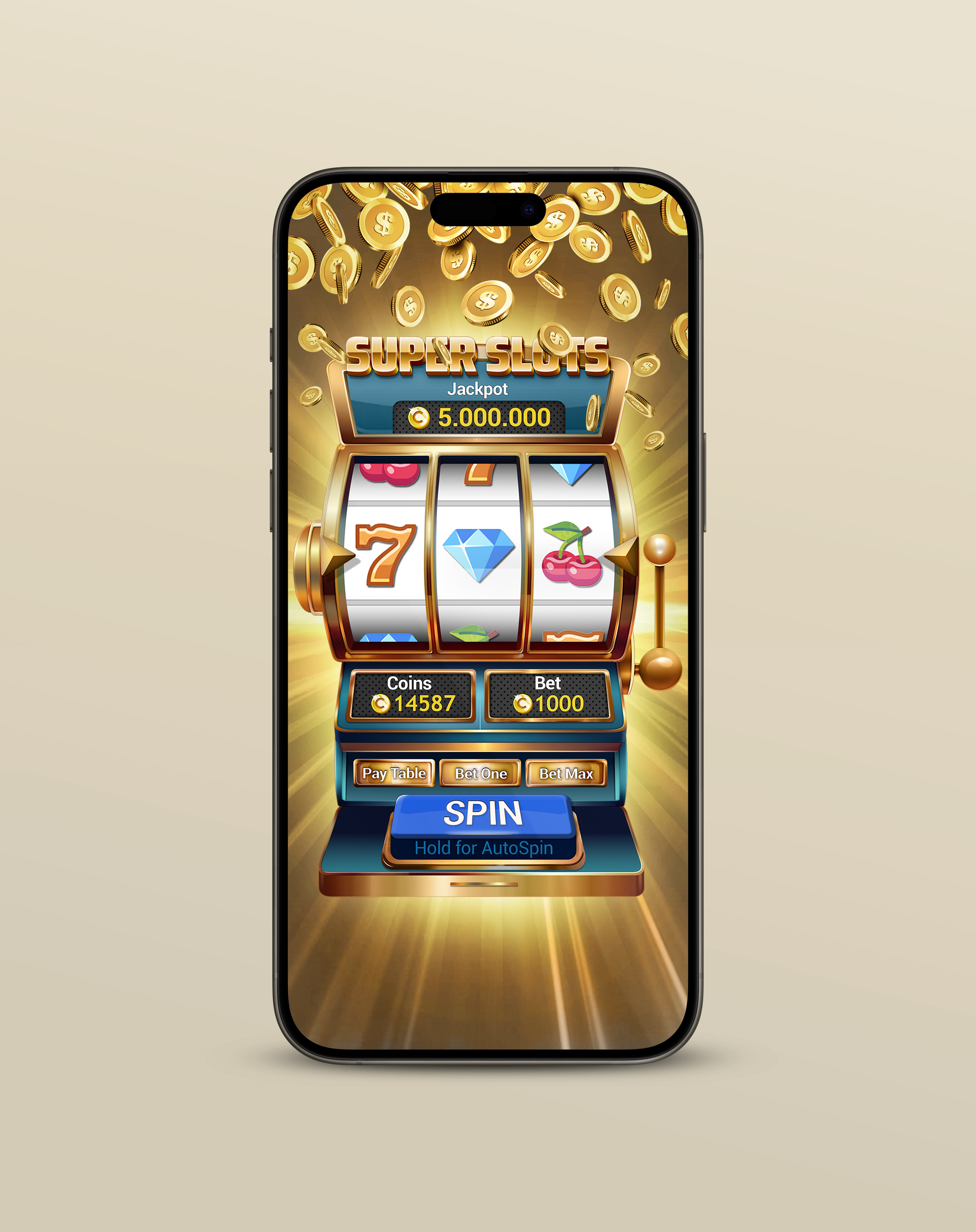
The Social Game Smeet focuses on fostering connections through chat, collaborative challenges, and international events. It’s free to play, with additional features available through premium memberships.
The casino, a favorite feature among users, needed to be reimagined to maintain its appeal while elevating the overall playing experience.
Goals
Besides an overall modernization, the new design should heighten engagement and retention through an optimized flow and improvement for Cross-Platform Play.
In addition to addressing the technical aspects, the project also focused on enhancing the emotional design. This space needs to feel like a luxurious environment, reflecting the excitement and prestige of a high-end casino.
Challenges
It requires a careful balance of fun and responsibility. Due to the gambling aspect, it demands thoughtful and respectful handling to ensure the design promotes an enjoyable and safe user experience.
The older engine has technical limitations, requiring significant adjustments to integrate modern design elements and features without breaking existing functionality.
Roles and responsibilities
Research and Data Analysis
To gain a deeper understanding of our target audience, I developed user personas to inform and guide design decisions. I conducted a comprehensive evaluation of both competitor products and the current product to identify strengths, weaknesses, and opportunities for improvement. Additionally, I created a journey map for the existing slot machine, which helped pinpoint areas where the updated version required a fresh approach and revealed opportunities to address and eliminate pain points.
Modelling and Texturing
A strong understanding of user needs and close engagement with the user base allowed for an expedited wireframing phase. The initial low-fidelity prototype was quickly developed and subjected to A/B testing, receiving overwhelmingly positive feedback. Over time, the prototype underwent several iterations, continuously refined based on user input and data insights. This phase provided an opportunity to experiment with various design variations, enabling me to identify the solutions that worked best for the users.
Load more
Key Takeaways
Responsibility in Design
When dealing with gambling-related features, it’s vital to approach the design with sensitivity, ensuring that it encourages fun and excitement while prioritizing user safety and responsibility.
Openness
The very early testing of a low fidelity prototype revealed a need for themed slot machines (Christmas theme, Halloween theme, etc.) which was not planned originally because of a higher workload. But it became apparent that implementing this idea, was one of the mayor pivot points for keeping retention high over time.
AI
AI tools can assist by generating fast UI elements or by providing suggestions for a super low-fidelity prototype. This can save time during the earliest design phase when all ideas are collected. This facilitated rapid feedback within the team, ensuring clear communication and alignment among all members.
Achievements
Retention and Profits skyrocketed
Even with the lower fidelity prototype, users were eager to invest, and user engagement increased up to 100% more.
Adding a competitive game mechanic
The themed slot machines were a welcome addition to already existing competitive mechanics in the game. Users were able to support their own team by choosing slot machine A (A-Team-Themed) over slot machine B (B-Team-Themed).
Reusable Components
I developed reusable components that streamlined development and enhanced overall consistency across the project, reducing long-term maintenance costs.