We offer experiences that will make your journeys unforgettable with our services designed to meet the curiosity of travel enthusiasts.
Experienced and
Professional Team
Professional travel consultants and local guides work diligently to maximize customers' holiday experiences.
Wide and Diverse
Destinations
It offers many options, from places with unique natural beauties to historical and cultural heritage.
Customized and
Personalized Services
Special holiday experiences are designed to suit customers' budgets, interests and holiday expectations.
Welcome to Hubtravel
We believe that travel is a process of discovery.
Responsibility & Sustainability
Customer Happiness
We believe that travel is not just a journey, but also a process of discovery and learning. That's why we offer personalized travel packages, taking into account each customer's needs and preferences.
Our professional and experienced team works devotedly to provide the best service to our customers and to be with them at every stage.
We enjoy traveling and
exploring with you.
A Unique Story in Every Number
2k+
Happy customer whose dream turns into reality
50+
Personalized tours offering an unforgettable travel experience
120+
A wide range of adventure and nature sports activities
Discover the World, Taste Life
Unique journeys you must explore
We have brought together tours selected from around the world, including hidden paradises, undiscovered natural wonders and destinations that will fascinate you with their cultural depth.

Slot Machine
Within the renovation of the UI of Smeet the Slot machines redesign was one of the mayor priorities.
Overview
Role UX/UI Designer
Genre Social Game
Engine In-House Engine
Tools Photoshop, Flash, Figma, Miro
Team Size 1
Duration Jan 2023 – Nov 2023
Platform PC, iOS, Mobile Devices
Background
The Social Game Smeet focuses on fostering connections through chat, collaborative challenges, and international events. It’s free to play, with additional features available through premium memberships. The casino, a favorite feature among users, needed to be reimagined to maintain its appeal while elevating the overall experience. The goal of the User Interface Overhaul was to ensure that this space felt like a luxurious environment, reflecting the excitement and prestige of a high-end casino.
Goals
Besides an overall modernization, the new design should heighten engagement and retention through an optimized flow and optimization for Cross-Platform Play.
Challenges
It requires a careful balance of fun and responsibility. Due to the gambling aspect, it demands thoughtful and respectful handling to ensure the design promotes an enjoyable and safe user experience. The older engine has technical limitations, requiring significant adjustments to integrate modern design elements and features without breaking existing functionality.
Role(s) and responsibilities
Research and Data Analysis
To gain a deeper understanding of our target audience, I developed user personas to inform and guide design decisions. I conducted a comprehensive evaluation of both competitor products and the current product to identify strengths, weaknesses, and opportunities for improvement. Additionally, I created a journey map for the existing slot machine, which helped pinpoint areas where the updated version required a fresh approach and revealed opportunities to address and eliminate pain points.
Iterative Prototyping
A strong understanding of user needs and close engagement with the user base allowed for an expedited wireframing phase. The initial low-fidelity prototype was quickly developed and subjected to A/B testing, receiving overwhelmingly positive feedback. Over time, the prototype underwent several iterations, continuously refined based on user input and data insights. This phase provided an opportunity to experiment with various design variations, enabling me to identify the solutions that worked best for the users.
UI Design
I designed and maintained reusable components to streamline development and ensure a consistent user experience. Balancing adherence to the game’s design guidelines with the delivery of a stylized, high-fidelity aesthetic proved to be one of the more challenging aspects of the development process.
Key Takeaways
Responsibility in Design
When dealing with gambling-related features, it’s vital to approach the design with sensitivity, ensuring that it encourages fun and excitement while prioritizing user safety and responsibility.
Openness to the Unexpected
The very early testing of a low fidelity prototype revealed a need for themed slot machines (Christmas theme, Halloween theme, etc.) which was not planned originally because of a higher workload. But it became apparent that implementing this idea, was one of the mayor pivot points for keeping retention high over time.
Achievements
Retention and Profits skyrocketed
Even with the low fidelity prototype, users were eager to invest, and user engagement increased up to 100% more.
Adding a competitive game mechanic
The themed slot machines were a welcome addition to already existing competitive mechanics in the game. Users were able to support their own team by choosing slot machine A (A-Team-Themed) over slot machine B (B-Team-Themed).
Reusable Design Components
I developed reusable components that streamlined development and enhanced overall consistency across the project, reducing long-term maintenance costs.
The Unseen
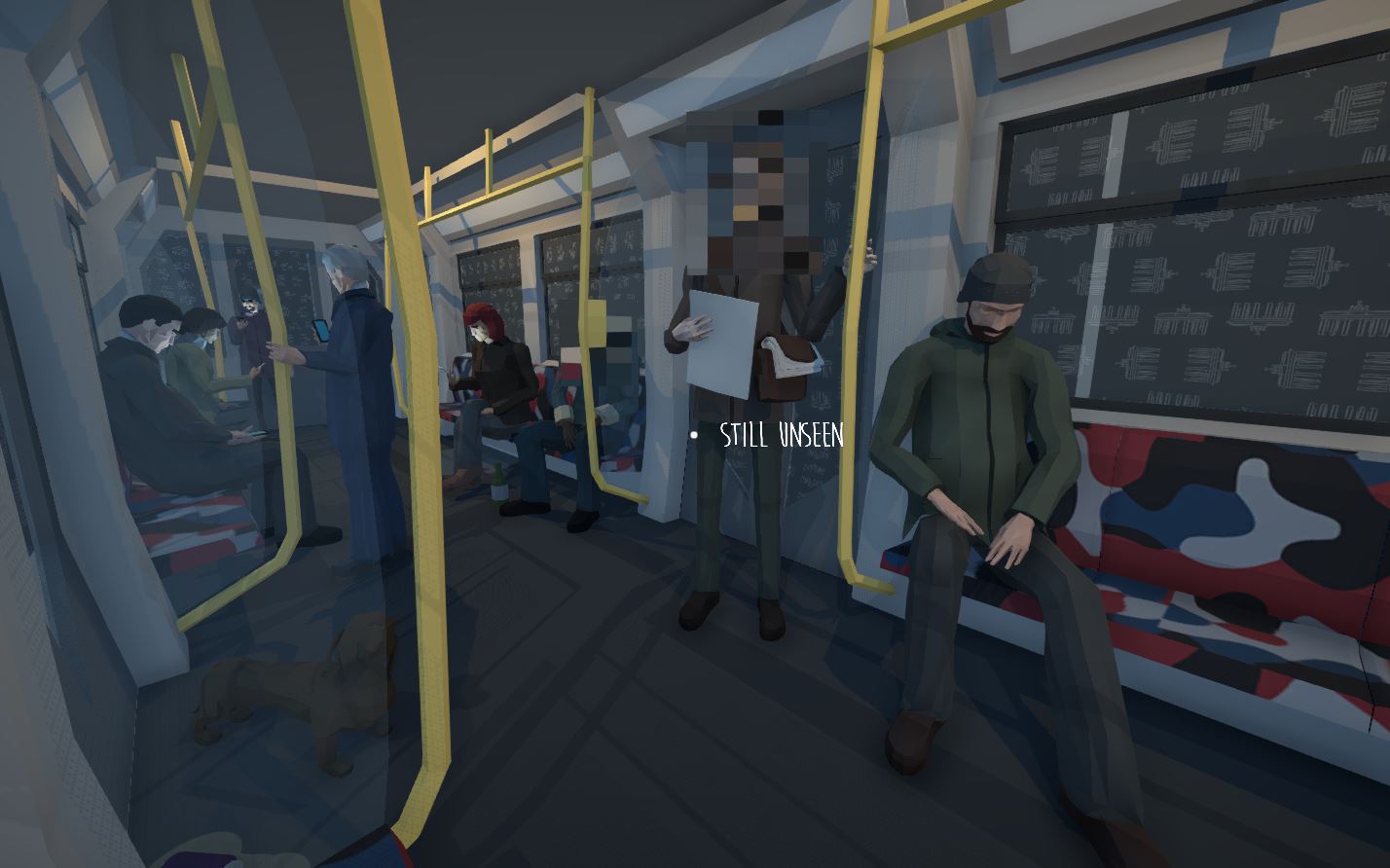
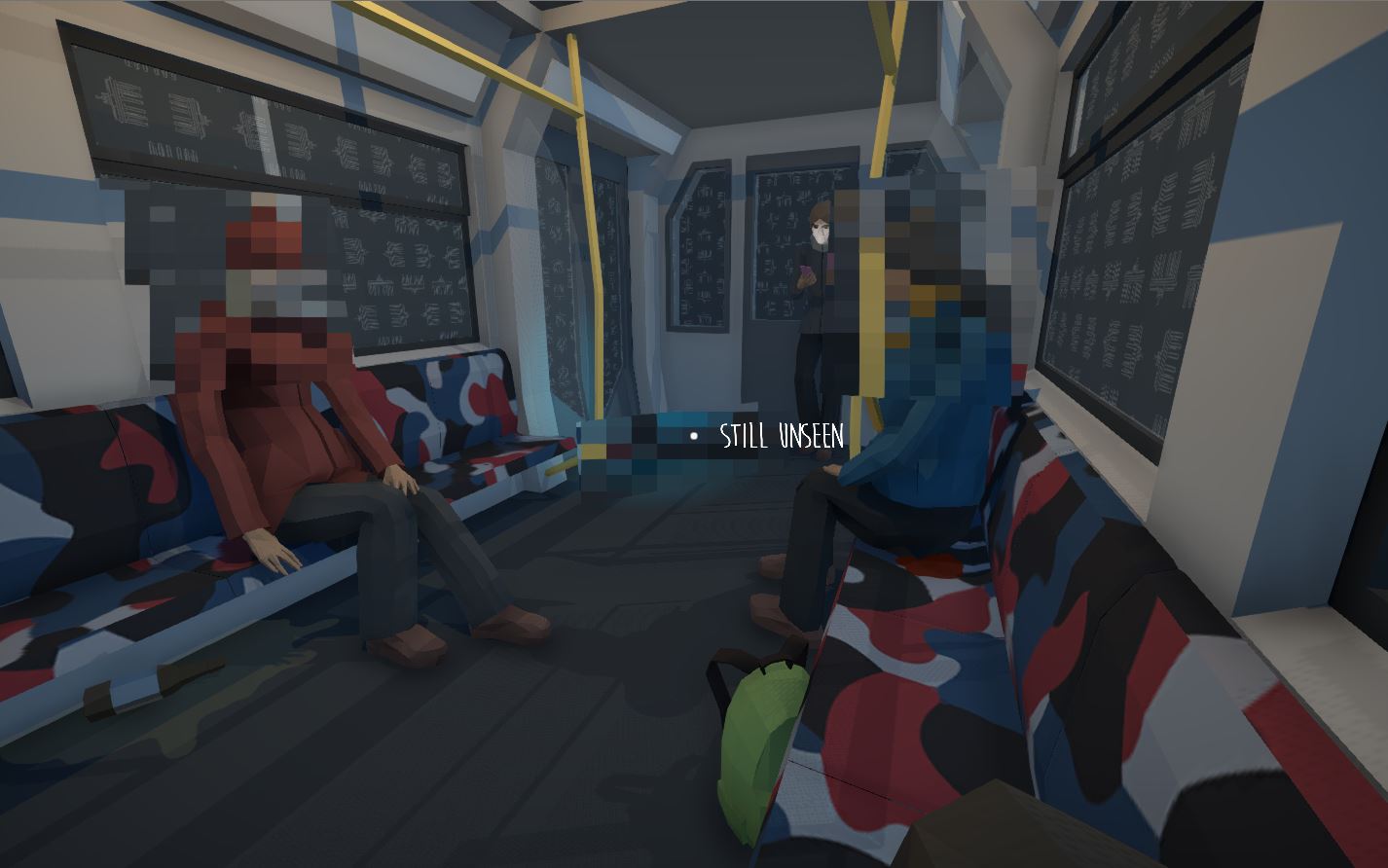
The Unseen is a Serious Game developed in the context of my bachelor’s degree.
Main Roles: Game Design and Development
Main Roles
Game Design and Development
Background
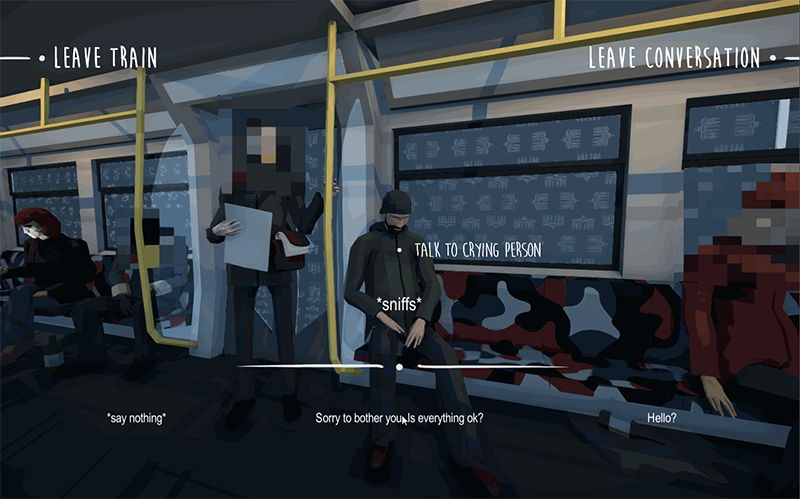
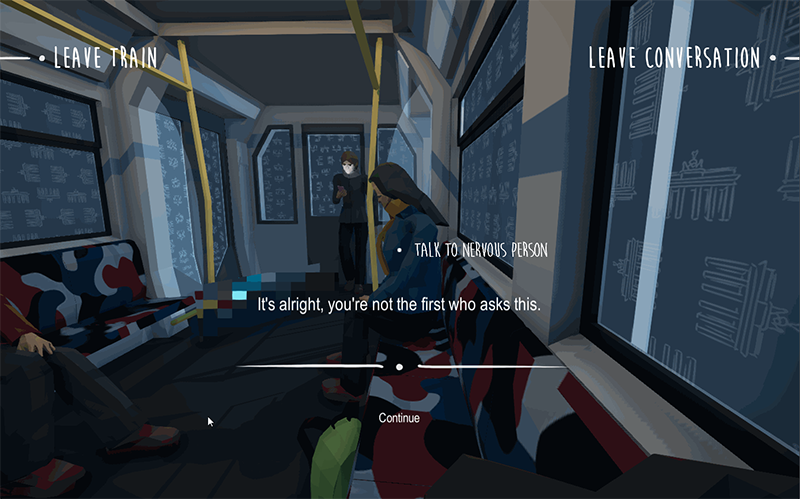
In this game, players engage with individuals who are often ignored in the Berlin metro, gradually uncovering their stories and personal backgrounds. Through these conversations, the once-invisible become visible, both in the game and in players’ awareness.
Goals
In my thesis, I was researching Procedural Rhetoric, the concept describing the way video games can use rules to communicate ideas and potentially produce behavioral changes.
Having players engage directly with the personal stories of homeless individuals in the game aims to humanize a social issue, allowing them to feel more connected to and compassionate towards people in similar situations in real life. Further, the game is supposed to encourage a deeper reflection on real-world social issues, challenging players to question their own beliefs and the systems that shape their perspectives.
Challenges
This project required managing a high workload as a solo developer, portraying homelessness with sensitivity, integrating nuanced procedural rhetoric, and crafting engaging gameplay that fosters empathy and awareness. These challenges were intensified by the responsibility of tackling a socially significant theme alone, making it crucial to navigate each aspect thoughtfully.
Overview
Genre: Serious Game, Sitting Simulator Engine: Unity Tools: Photoshop, Blender, Cinema 4D, After Effects Team Size: 3 Duration: Jan 2019 – April 2019 Platform: PC Awards & Recognition: Winner “Best Bachelor Project” (2019)
The Unseen
The Unseen is a Serious Game developed in the context of my bachelor’s degree.
Overview
Role Game Design and Game Development
Genre Serious Game, Sitting Simulator
Engine Unity
Tools Photoshop, Blender, Cinema 4D, After Effects
In this game, players engage with individuals who are often ignored in the Berlin metro, gradually uncovering their stories and personal backgrounds. Through these conversations, the once-invisible become visible, both in the game and in players’ awareness.
Goals
In my thesis, I was researching Procedural Rhetoric, the concept describing the way video games can use rules to communicate ideas and potentially produce behavioral changes.
Having players engage directly with the personal stories of homeless individuals in the game aims to humanize a social issue, allowing them to feel more connected to and compassionate towards people in similar situations in real life. Further, the game is supposed to encourage a deeper reflection on real-world social issues, challenging players to question their own beliefs and the systems that shape their perspectives.
Challenges
This project required managing a high workload as a solo developer, portraying homelessness with sensitivity, integrating nuanced procedural rhetoric, and crafting engaging gameplay that fosters empathy and awareness. These challenges were intensified by the responsibility of tackling a socially significant theme alone, making it crucial to navigate each aspect thoughtfully.
Overview
Role Game Design and Game Development
Genre Serious Game, Sitting Simulator
Engine Unity
Tools Photoshop, Blender, Cinema 4D, After Effects
In this game, players engage with individuals who are often ignored in the Berlin metro, gradually uncovering their stories and personal backgrounds. Through these conversations, the once-invisible become visible, both in the game and in players’ awareness.
Goals
In my thesis, I was researching Procedural Rhetoric, the concept describing the way video games can use rules to communicate ideas and potentially produce behavioral changes.
Having players engage directly with the personal stories of homeless individuals in the game aims to humanize a social issue, allowing them to feel more connected to and compassionate towards people in similar situations in real life. Further, the game is supposed to encourage a deeper reflection on real-world social issues, challenging players to question their own beliefs and the systems that shape their perspectives.
Challenges
This project required managing a high workload as a solo developer, portraying homelessness with sensitivity, integrating nuanced procedural rhetoric, and crafting engaging gameplay that fosters empathy and awareness. These challenges were intensified by the responsibility of tackling a socially significant theme alone, making it crucial to navigate each aspect thoughtfully.
Role(s) and responsibilities
Research and Data Analysis
I conducted in-depth research on social invisibility, inequality, and discrimination relating to homelessness. This includes understanding real stories from affected individuals, societal perceptions, and the root causes. I was able to interview people who have experienced homelessness to incorporate authentic stories.
Narrative Design
Crafting compelling, respectful, and nuanced dialogue rooted in thorough research was essential to authentically portraying the realities of homelessness and societal attitudes, ensuring a genuine storyline. The entire interaction is thoughtfully designed to deepen the player’s understanding, highlighting the diverse backgrounds and unique circumstances of those affected. Narrative design and level design were closely intertwined in this project, as the progression of the game hinged on player conversations. Each dialogue followed a branching decision tree, allowing for multiple possible outcomes. Unlike many games that over-promise on the impact of player choices, I took an unconventional approach: certain decisions will result in the inability to progress further, effectively halting the game entirely. This served merely as a critical element of its overall game design concept.
Game Design
Ian Bogost’s Procedural Rhetoric focuses on using a game’s rules and mechanics to convey meaning. Instead of directly telling a story, the game’s systems reflect real-world dynamics, encouraging players to experience and understand complex issues through interaction. This approach lets players learn by engaging with the game’s structure, promoting critical thinking about real-world systems and issues. All Game Mechanics were implemented based on this very concept to research it further. They were directly tailored to teach awareness and empathy towards other people.
I developed the structure of the player’s journey, such as how they navigate conversations, learn stories, and encounter new perspectives. The game’s core mechanics, flow, and player interactions were designed based on this theory.
Visual Design
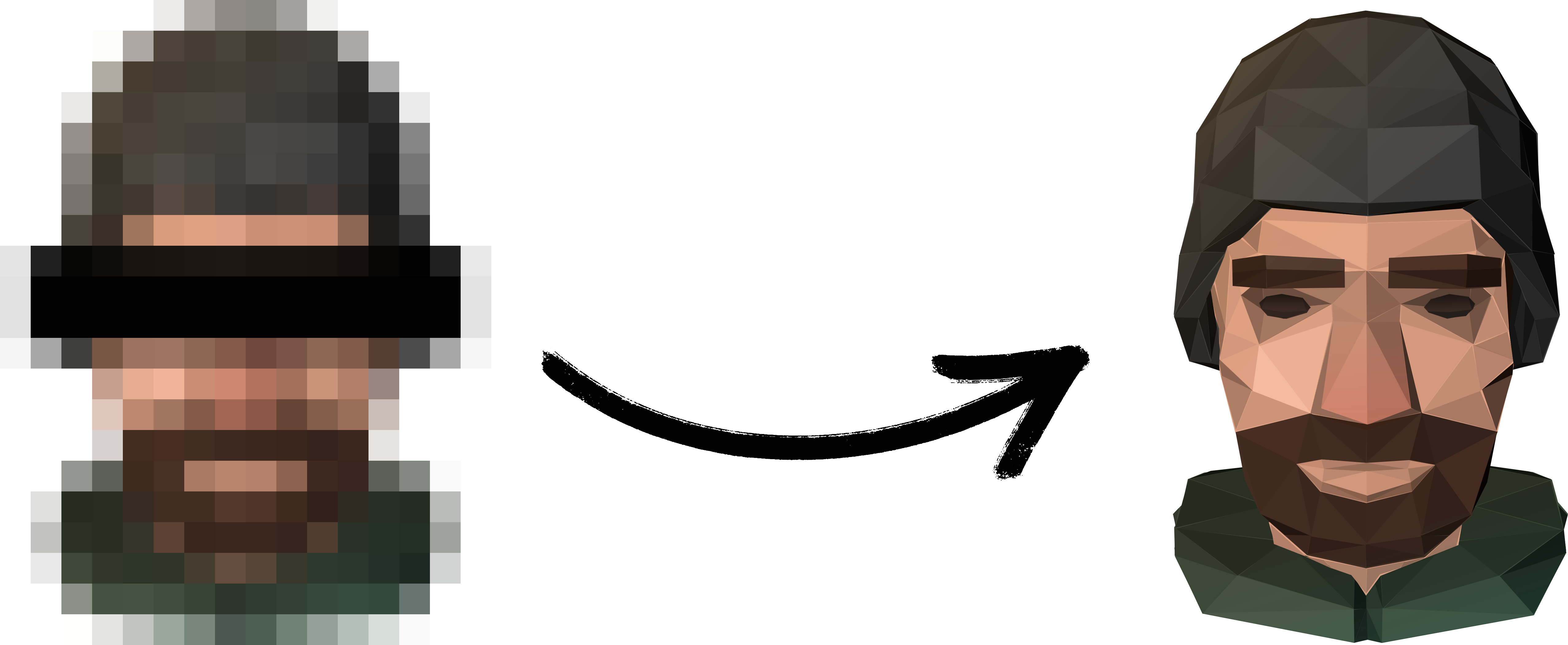
After evaluating the time frame, it became clear that priority needs to be Game Design, so I chose a minimalist but aesthetic art style. My design of characters, the environment, and UI elements convey empathy and respect for the characters’ stories. The mood was set through a muted, realistic color scheme.
Quality Assurance
The game was playtested regularly in development to ensure it functions smoothly and achieves its emotional objectives. Towards the end of production, I implemented more testing and feedback from a more diverse group of testers. This gave me valuable insight, so I was able to go into a new direction in one of the main interactions.
This idea has been in development for quite some time. I previously created a smaller game called Pvrty with a similar theme during a game jam, which served as an early exploration of the concept. The issue resonated deeply with me, inspiring a desire to create a more impactful and meaningful game to further explore and address it.
This project reflects my dedication to using game design as a medium for social impact, fostering empathy, and sparking critical dialogue about pressing real-world issues. The Unseen is more than a game—it’s an invitation to reflect, connect, and see the world through a more compassionate lens. In 2019 the project was honored with the 1st prize for “Best Bachelor Project”.
Key Takeaways
Prioritizing Managing all aspects of development alone was challenging. This was worsened by a grand scope and high orientation to detail. In the future, collaborating with a larger team or delegating tasks could improve efficiency and allow for deeper focus on key areas, such as game mechanics.
Deepened Testing While testing towards the end of development yielded valuable insights, conducting broader playtests earlier in the process could have identified usability issues and informed design adjustments sooner.
The Unseen
The Unseen is a Serious Game developed in the context of my bachelor’s degree.
Main Roles: Game Design and Development
Main Roles
Game Design and Development
Background
In this game, players engage with individuals who are often ignored in the Berlin metro, gradually uncovering their stories and personal backgrounds. Through these conversations, the once-invisible become visible, both in the game and in players’ awareness.
Goals
In my thesis, I was researching Procedural Rhetoric, the concept describing the way video games can use rules to communicate ideas and potentially produce behavioral changes.
Having players engage directly with the personal stories of homeless individuals in the game aims to humanize a social issue, allowing them to feel more connected to and compassionate towards people in similar situations in real life. Further, the game is supposed to encourage a deeper reflection on real-world social issues, challenging players to question their own beliefs and the systems that shape their perspectives.
Challenges
This project required managing a high workload as a solo developer, portraying homelessness with sensitivity, integrating nuanced procedural rhetoric, and crafting engaging gameplay that fosters empathy and awareness. These challenges were intensified by the responsibility of tackling a socially significant theme alone, making it crucial to navigate each aspect thoughtfully.
Overview
Genre: Serious Game, Sitting Simulator Engine: Unity Tools: Photoshop, Blender, Cinema 4D, After Effects Team Size: 3 Duration: Jan 2019 – April 2019 Platform: PC Awards & Recognition: Winner “Best Bachelor Project” (2019)
The Unseen
The Unseen is a Serious Game developed in the context of my bachelor’s degree.
Overview
Role Game Design and Game Development
Genre Serious Game, Sitting Simulator
Engine Unity
Tools Photoshop, Blender, Cinema 4D, After Effects
In this game, players engage with individuals who are often ignored in the Berlin metro, gradually uncovering their stories and personal backgrounds. Through these conversations, the once-invisible become visible, both in the game and in players’ awareness.
Goals
In my thesis, I was researching Procedural Rhetoric, the concept describing the way video games can use rules to communicate ideas and potentially produce behavioral changes.
Having players engage directly with the personal stories of homeless individuals in the game aims to humanize a social issue, allowing them to feel more connected to and compassionate towards people in similar situations in real life. Further, the game is supposed to encourage a deeper reflection on real-world social issues, challenging players to question their own beliefs and the systems that shape their perspectives.
Challenges
This project required managing a high workload as a solo developer, portraying homelessness with sensitivity, integrating nuanced procedural rhetoric, and crafting engaging gameplay that fosters empathy and awareness. These challenges were intensified by the responsibility of tackling a socially significant theme alone, making it crucial to navigate each aspect thoughtfully.
Overview
Role Game Design and Game Development
Genre Serious Game, Sitting Simulator
Engine Unity
Tools Photoshop, Blender, Cinema 4D, After Effects
In this game, players engage with individuals who are often ignored in the Berlin metro, gradually uncovering their stories and personal backgrounds. Through these conversations, the once-invisible become visible, both in the game and in players’ awareness.
Goals
In my thesis, I was researching Procedural Rhetoric, the concept describing the way video games can use rules to communicate ideas and potentially produce behavioral changes.
Having players engage directly with the personal stories of homeless individuals in the game aims to humanize a social issue, allowing them to feel more connected to and compassionate towards people in similar situations in real life. Further, the game is supposed to encourage a deeper reflection on real-world social issues, challenging players to question their own beliefs and the systems that shape their perspectives.
Challenges
This project required managing a high workload as a solo developer, portraying homelessness with sensitivity, integrating nuanced procedural rhetoric, and crafting engaging gameplay that fosters empathy and awareness. These challenges were intensified by the responsibility of tackling a socially significant theme alone, making it crucial to navigate each aspect thoughtfully.
Role(s) and responsibilities
Research and Data Analysis
I conducted in-depth research on social invisibility, inequality, and discrimination relating to homelessness. This includes understanding real stories from affected individuals, societal perceptions, and the root causes. I was able to interview people who have experienced homelessness to incorporate authentic stories.
Narrative Design
Crafting compelling, respectful, and nuanced dialogue rooted in thorough research was essential to authentically portraying the realities of homelessness and societal attitudes, ensuring a genuine storyline. The entire interaction is thoughtfully designed to deepen the player’s understanding, highlighting the diverse backgrounds and unique circumstances of those affected. Narrative design and level design were closely intertwined in this project, as the progression of the game hinged on player conversations. Each dialogue followed a branching decision tree, allowing for multiple possible outcomes. Unlike many games that over-promise on the impact of player choices, I took an unconventional approach: certain decisions will result in the inability to progress further, effectively halting the game entirely. This served merely as a critical element of its overall game design concept.
Game Design
Ian Bogost’s Procedural Rhetoric focuses on using a game’s rules and mechanics to convey meaning. Instead of directly telling a story, the game’s systems reflect real-world dynamics, encouraging players to experience and understand complex issues through interaction. This approach lets players learn by engaging with the game’s structure, promoting critical thinking about real-world systems and issues. All Game Mechanics were implemented based on this very concept to research it further. They were directly tailored to teach awareness and empathy towards other people.
I developed the structure of the player’s journey, such as how they navigate conversations, learn stories, and encounter new perspectives. The game’s core mechanics, flow, and player interactions were designed based on this theory.
Visual Design
After evaluating the time frame, it became clear that priority needs to be Game Design, so I chose a minimalist but aesthetic art style. My design of characters, the environment, and UI elements convey empathy and respect for the characters’ stories. The mood was set through a muted, realistic color scheme.
Quality Assurance
The game was playtested regularly in development to ensure it functions smoothly and achieves its emotional objectives. Towards the end of production, I implemented more testing and feedback from a more diverse group of testers. This gave me valuable insight, so I was able to go into a new direction in one of the main interactions.
This idea has been in development for quite some time. I previously created a smaller game called Pvrty with a similar theme during a game jam, which served as an early exploration of the concept. The issue resonated deeply with me, inspiring a desire to create a more impactful and meaningful game to further explore and address it.
This project reflects my dedication to using game design as a medium for social impact, fostering empathy, and sparking critical dialogue about pressing real-world issues. The Unseen is more than a game—it’s an invitation to reflect, connect, and see the world through a more compassionate lens. In 2019 the project was honored with the 1st prize for “Best Bachelor Project”.
Key Takeaways
Prioritizing Managing all aspects of development alone was challenging. This was worsened by a grand scope and high orientation to detail. In the future, collaborating with a larger team or delegating tasks could improve efficiency and allow for deeper focus on key areas, such as game mechanics.
Deepened Testing While testing towards the end of development yielded valuable insights, conducting broader playtests earlier in the process could have identified usability issues and informed design adjustments sooner.
Slot Machine
Within the renovation of the UI of Smeet the Slot machines redesign was one of the mayor priorities.
Overview
Role UX/UI Designer
Genre Social Game
Engine In-House Engine
Tools Photoshop, Flash, Figma, Miro
Team Size 1
Duration Jan 2023 – Nov 2023
Platform PC, iOS, Mobile Devices
Background
The Social Game Smeet focuses on fostering connections through chat, collaborative challenges, and international events. It’s free to play, with additional features available through premium memberships. The casino, a favorite feature among users, needed to be reimagined to maintain its appeal while elevating the overall experience. The goal of the User Interface Overhaul was to ensure that this space felt like a luxurious environment, reflecting the excitement and prestige of a high-end casino.
Goals
Besides an overall modernization, the new design should heighten engagement and retention through an optimized flow and optimization for Cross-Platform Play.
Challenges
It requires a careful balance of fun and responsibility. Due to the gambling aspect, it demands thoughtful and respectful handling to ensure the design promotes an enjoyable and safe user experience. The older engine has technical limitations, requiring significant adjustments to integrate modern design elements and features without breaking existing functionality.
Role(s) and responsibilities
Research and Data Analysis
To gain a deeper understanding of our target audience, I developed user personas to inform and guide design decisions. I conducted a comprehensive evaluation of both competitor products and the current product to identify strengths, weaknesses, and opportunities for improvement. Additionally, I created a journey map for the existing slot machine, which helped pinpoint areas where the updated version required a fresh approach and revealed opportunities to address and eliminate pain points.
Iterative Prototyping
A strong understanding of user needs and close engagement with the user base allowed for an expedited wireframing phase. The initial low-fidelity prototype was quickly developed and subjected to A/B testing, receiving overwhelmingly positive feedback. Over time, the prototype underwent several iterations, continuously refined based on user input and data insights. This phase provided an opportunity to experiment with various design variations, enabling me to identify the solutions that worked best for the users.
UI Design
I designed and maintained reusable components to streamline development and ensure a consistent user experience. Balancing adherence to the game’s design guidelines with the delivery of a stylized, high-fidelity aesthetic proved to be one of the more challenging aspects of the development process.
Key Takeaways
Responsibility in Design
When dealing with gambling-related features, it’s vital to approach the design with sensitivity, ensuring that it encourages fun and excitement while prioritizing user safety and responsibility.
Openness to the Unexpected
The very early testing of a low fidelity prototype revealed a need for themed slot machines (Christmas theme, Halloween theme, etc.) which was not planned originally because of a higher workload. But it became apparent that implementing this idea, was one of the mayor pivot points for keeping retention high over time.
Achievements
Retention and Profits skyrocketed
Even with the low fidelity prototype, users were eager to invest, and user engagement increased up to 100% more.
Adding a competitive game mechanic
The themed slot machines were a welcome addition to already existing competitive mechanics in the game. Users were able to support their own team by choosing slot machine A (A-Team-Themed) over slot machine B (B-Team-Themed).
Reusable Design Components
I developed reusable components that streamlined development and enhanced overall consistency across the project, reducing long-term maintenance costs.
The Unseen
The Unseen is a Serious Game developed in the context of my bachelor’s degree.
Main Roles: Game Design and Development
Main Roles
Game Design and Development
Background
In this game, players engage with individuals who are often ignored in the Berlin metro, gradually uncovering their stories and personal backgrounds. Through these conversations, the once-invisible become visible, both in the game and in players’ awareness.
Goals
In my thesis, I was researching Procedural Rhetoric, the concept describing the way video games can use rules to communicate ideas and potentially produce behavioral changes.
Having players engage directly with the personal stories of homeless individuals in the game aims to humanize a social issue, allowing them to feel more connected to and compassionate towards people in similar situations in real life. Further, the game is supposed to encourage a deeper reflection on real-world social issues, challenging players to question their own beliefs and the systems that shape their perspectives.
Challenges
This project required managing a high workload as a solo developer, portraying homelessness with sensitivity, integrating nuanced procedural rhetoric, and crafting engaging gameplay that fosters empathy and awareness. These challenges were intensified by the responsibility of tackling a socially significant theme alone, making it crucial to navigate each aspect thoughtfully.
Overview
Genre: Serious Game, Sitting Simulator Engine: Unity Tools: Photoshop, Blender, Cinema 4D, After Effects Team Size: 3 Duration: Jan 2019 – April 2019 Platform: PC Awards & Recognition: Winner “Best Bachelor Project” (2019)
The Unseen
The Unseen is a Serious Game developed in the context of my bachelor’s degree.
Overview
Role Game Design and Game Development
Genre Serious Game, Sitting Simulator
Engine Unity
Tools Photoshop, Blender, Cinema 4D, After Effects
In this game, players engage with individuals who are often ignored in the Berlin metro, gradually uncovering their stories and personal backgrounds. Through these conversations, the once-invisible become visible, both in the game and in players’ awareness.
Goals
In my thesis, I was researching Procedural Rhetoric, the concept describing the way video games can use rules to communicate ideas and potentially produce behavioral changes.
Having players engage directly with the personal stories of homeless individuals in the game aims to humanize a social issue, allowing them to feel more connected to and compassionate towards people in similar situations in real life. Further, the game is supposed to encourage a deeper reflection on real-world social issues, challenging players to question their own beliefs and the systems that shape their perspectives.
Challenges
This project required managing a high workload as a solo developer, portraying homelessness with sensitivity, integrating nuanced procedural rhetoric, and crafting engaging gameplay that fosters empathy and awareness. These challenges were intensified by the responsibility of tackling a socially significant theme alone, making it crucial to navigate each aspect thoughtfully.
Overview
Role Game Design and Game Development
Genre Serious Game, Sitting Simulator
Engine Unity
Tools Photoshop, Blender, Cinema 4D, After Effects
In this game, players engage with individuals who are often ignored in the Berlin metro, gradually uncovering their stories and personal backgrounds. Through these conversations, the once-invisible become visible, both in the game and in players’ awareness.
Goals
In my thesis, I was researching Procedural Rhetoric, the concept describing the way video games can use rules to communicate ideas and potentially produce behavioral changes.
Having players engage directly with the personal stories of homeless individuals in the game aims to humanize a social issue, allowing them to feel more connected to and compassionate towards people in similar situations in real life. Further, the game is supposed to encourage a deeper reflection on real-world social issues, challenging players to question their own beliefs and the systems that shape their perspectives.
Challenges
This project required managing a high workload as a solo developer, portraying homelessness with sensitivity, integrating nuanced procedural rhetoric, and crafting engaging gameplay that fosters empathy and awareness. These challenges were intensified by the responsibility of tackling a socially significant theme alone, making it crucial to navigate each aspect thoughtfully.
Role(s) and responsibilities
Research and Data Analysis
I conducted in-depth research on social invisibility, inequality, and discrimination relating to homelessness. This includes understanding real stories from affected individuals, societal perceptions, and the root causes. I was able to interview people who have experienced homelessness to incorporate authentic stories.
Narrative Design
Crafting compelling, respectful, and nuanced dialogue rooted in thorough research was essential to authentically portraying the realities of homelessness and societal attitudes, ensuring a genuine storyline. The entire interaction is thoughtfully designed to deepen the player’s understanding, highlighting the diverse backgrounds and unique circumstances of those affected. Narrative design and level design were closely intertwined in this project, as the progression of the game hinged on player conversations. Each dialogue followed a branching decision tree, allowing for multiple possible outcomes. Unlike many games that over-promise on the impact of player choices, I took an unconventional approach: certain decisions will result in the inability to progress further, effectively halting the game entirely. This served merely as a critical element of its overall game design concept.
Game Design
Ian Bogost’s Procedural Rhetoric focuses on using a game’s rules and mechanics to convey meaning. Instead of directly telling a story, the game’s systems reflect real-world dynamics, encouraging players to experience and understand complex issues through interaction. This approach lets players learn by engaging with the game’s structure, promoting critical thinking about real-world systems and issues. All Game Mechanics were implemented based on this very concept to research it further. They were directly tailored to teach awareness and empathy towards other people.
I developed the structure of the player’s journey, such as how they navigate conversations, learn stories, and encounter new perspectives. The game’s core mechanics, flow, and player interactions were designed based on this theory.
Visual Design
After evaluating the time frame, it became clear that priority needs to be Game Design, so I chose a minimalist but aesthetic art style. My design of characters, the environment, and UI elements convey empathy and respect for the characters’ stories. The mood was set through a muted, realistic color scheme.
Quality Assurance
The game was playtested regularly in development to ensure it functions smoothly and achieves its emotional objectives. Towards the end of production, I implemented more testing and feedback from a more diverse group of testers. This gave me valuable insight, so I was able to go into a new direction in one of the main interactions.
This idea has been in development for quite some time. I previously created a smaller game called Pvrty with a similar theme during a game jam, which served as an early exploration of the concept. The issue resonated deeply with me, inspiring a desire to create a more impactful and meaningful game to further explore and address it.
This project reflects my dedication to using game design as a medium for social impact, fostering empathy, and sparking critical dialogue about pressing real-world issues. The Unseen is more than a game—it’s an invitation to reflect, connect, and see the world through a more compassionate lens. In 2019 the project was honored with the 1st prize for “Best Bachelor Project”.
Key Takeaways
Prioritizing Managing all aspects of development alone was challenging. This was worsened by a grand scope and high orientation to detail. In the future, collaborating with a larger team or delegating tasks could improve efficiency and allow for deeper focus on key areas, such as game mechanics.
Deepened Testing While testing towards the end of development yielded valuable insights, conducting broader playtests earlier in the process could have identified usability issues and informed design adjustments sooner.
The Unseen
The Unseen is a Serious Game developed in the context of my bachelor’s degree.
Main Roles: Game Design and Development
Main Roles
Game Design and Development
Background
In this game, players engage with individuals who are often ignored in the Berlin metro, gradually uncovering their stories and personal backgrounds. Through these conversations, the once-invisible become visible, both in the game and in players’ awareness.
Goals
In my thesis, I was researching Procedural Rhetoric, the concept describing the way video games can use rules to communicate ideas and potentially produce behavioral changes.
Having players engage directly with the personal stories of homeless individuals in the game aims to humanize a social issue, allowing them to feel more connected to and compassionate towards people in similar situations in real life. Further, the game is supposed to encourage a deeper reflection on real-world social issues, challenging players to question their own beliefs and the systems that shape their perspectives.
Challenges
This project required managing a high workload as a solo developer, portraying homelessness with sensitivity, integrating nuanced procedural rhetoric, and crafting engaging gameplay that fosters empathy and awareness. These challenges were intensified by the responsibility of tackling a socially significant theme alone, making it crucial to navigate each aspect thoughtfully.
Overview
Genre: Serious Game, Sitting Simulator Engine: Unity Tools: Photoshop, Blender, Cinema 4D, After Effects Team Size: 3 Duration: Jan 2019 – April 2019 Platform: PC Awards & Recognition: Winner “Best Bachelor Project” (2019)
The Unseen
The Unseen is a Serious Game developed in the context of my bachelor’s degree.
Overview
Role Game Design and Game Development
Genre Serious Game, Sitting Simulator
Engine Unity
Tools Photoshop, Blender, Cinema 4D, After Effects
In this game, players engage with individuals who are often ignored in the Berlin metro, gradually uncovering their stories and personal backgrounds. Through these conversations, the once-invisible become visible, both in the game and in players’ awareness.
Goals
In my thesis, I was researching Procedural Rhetoric, the concept describing the way video games can use rules to communicate ideas and potentially produce behavioral changes.
Having players engage directly with the personal stories of homeless individuals in the game aims to humanize a social issue, allowing them to feel more connected to and compassionate towards people in similar situations in real life. Further, the game is supposed to encourage a deeper reflection on real-world social issues, challenging players to question their own beliefs and the systems that shape their perspectives.
Challenges
This project required managing a high workload as a solo developer, portraying homelessness with sensitivity, integrating nuanced procedural rhetoric, and crafting engaging gameplay that fosters empathy and awareness. These challenges were intensified by the responsibility of tackling a socially significant theme alone, making it crucial to navigate each aspect thoughtfully.
Overview
Role Game Design and Game Development
Genre Serious Game, Sitting Simulator
Engine Unity
Tools Photoshop, Blender, Cinema 4D, After Effects
In this game, players engage with individuals who are often ignored in the Berlin metro, gradually uncovering their stories and personal backgrounds. Through these conversations, the once-invisible become visible, both in the game and in players’ awareness.
Goals
In my thesis, I was researching Procedural Rhetoric, the concept describing the way video games can use rules to communicate ideas and potentially produce behavioral changes.
Having players engage directly with the personal stories of homeless individuals in the game aims to humanize a social issue, allowing them to feel more connected to and compassionate towards people in similar situations in real life. Further, the game is supposed to encourage a deeper reflection on real-world social issues, challenging players to question their own beliefs and the systems that shape their perspectives.
Challenges
This project required managing a high workload as a solo developer, portraying homelessness with sensitivity, integrating nuanced procedural rhetoric, and crafting engaging gameplay that fosters empathy and awareness. These challenges were intensified by the responsibility of tackling a socially significant theme alone, making it crucial to navigate each aspect thoughtfully.
Role(s) and responsibilities
Research and Data Analysis
I conducted in-depth research on social invisibility, inequality, and discrimination relating to homelessness. This includes understanding real stories from affected individuals, societal perceptions, and the root causes. I was able to interview people who have experienced homelessness to incorporate authentic stories.
Narrative Design
Crafting compelling, respectful, and nuanced dialogue rooted in thorough research was essential to authentically portraying the realities of homelessness and societal attitudes, ensuring a genuine storyline. The entire interaction is thoughtfully designed to deepen the player’s understanding, highlighting the diverse backgrounds and unique circumstances of those affected. Narrative design and level design were closely intertwined in this project, as the progression of the game hinged on player conversations. Each dialogue followed a branching decision tree, allowing for multiple possible outcomes. Unlike many games that over-promise on the impact of player choices, I took an unconventional approach: certain decisions will result in the inability to progress further, effectively halting the game entirely. This served merely as a critical element of its overall game design concept.
Game Design
Ian Bogost’s Procedural Rhetoric focuses on using a game’s rules and mechanics to convey meaning. Instead of directly telling a story, the game’s systems reflect real-world dynamics, encouraging players to experience and understand complex issues through interaction. This approach lets players learn by engaging with the game’s structure, promoting critical thinking about real-world systems and issues. All Game Mechanics were implemented based on this very concept to research it further. They were directly tailored to teach awareness and empathy towards other people.
I developed the structure of the player’s journey, such as how they navigate conversations, learn stories, and encounter new perspectives. The game’s core mechanics, flow, and player interactions were designed based on this theory.
Visual Design
After evaluating the time frame, it became clear that priority needs to be Game Design, so I chose a minimalist but aesthetic art style. My design of characters, the environment, and UI elements convey empathy and respect for the characters’ stories. The mood was set through a muted, realistic color scheme.
Quality Assurance
The game was playtested regularly in development to ensure it functions smoothly and achieves its emotional objectives. Towards the end of production, I implemented more testing and feedback from a more diverse group of testers. This gave me valuable insight, so I was able to go into a new direction in one of the main interactions.
This idea has been in development for quite some time. I previously created a smaller game called Pvrty with a similar theme during a game jam, which served as an early exploration of the concept. The issue resonated deeply with me, inspiring a desire to create a more impactful and meaningful game to further explore and address it.
This project reflects my dedication to using game design as a medium for social impact, fostering empathy, and sparking critical dialogue about pressing real-world issues. The Unseen is more than a game—it’s an invitation to reflect, connect, and see the world through a more compassionate lens. In 2019 the project was honored with the 1st prize for “Best Bachelor Project”.
Key Takeaways
Prioritizing Managing all aspects of development alone was challenging. This was worsened by a grand scope and high orientation to detail. In the future, collaborating with a larger team or delegating tasks could improve efficiency and allow for deeper focus on key areas, such as game mechanics.
Deepened Testing While testing towards the end of development yielded valuable insights, conducting broader playtests earlier in the process could have identified usability issues and informed design adjustments sooner.
A Route for Every Dream
Unlimited discovery: different tour alternatives
Wildlife & Safari
We aim to observe wildlife in its natural habitat. African safari tours are among the
most popular
in this category.
Cultural & Historical Tours
We aim to explore the culture of a region by visiting historical sites, museums, art galleries and other venues of
cultural significance.
Nature & Adventure Tours
It is for exploring natural parks, forests, mountains and rivers. It may include activities such as
hiking, camping, rafting and mountain biking.
Travels That Touch Your Soul
India's Deep Cultural Heritage
India invites you on an unforgettable journey to discover its rich and diverse cultural heritage. Step into the fascinating world of colorful festivals, ancient temples and traditional dances.
Our participants' sincere comments will help you choose the right tour for you and have an unforgettable experience.
The Unseen
The Unseen is a Serious Game developed in the context of my bachelor’s degree.
Main Roles: Game Design and Development
Main Roles
Game Design and Development
Background
In this game, players engage with individuals who are often ignored in the Berlin metro, gradually uncovering their stories and personal backgrounds. Through these conversations, the once-invisible become visible, both in the game and in players’ awareness.
Goals
In my thesis, I was researching Procedural Rhetoric, the concept describing the way video games can use rules to communicate ideas and potentially produce behavioral changes.
Having players engage directly with the personal stories of homeless individuals in the game aims to humanize a social issue, allowing them to feel more connected to and compassionate towards people in similar situations in real life. Further, the game is supposed to encourage a deeper reflection on real-world social issues, challenging players to question their own beliefs and the systems that shape their perspectives.
Challenges
This project required managing a high workload as a solo developer, portraying homelessness with sensitivity, integrating nuanced procedural rhetoric, and crafting engaging gameplay that fosters empathy and awareness. These challenges were intensified by the responsibility of tackling a socially significant theme alone, making it crucial to navigate each aspect thoughtfully.
Overview
Genre: Serious Game, Sitting Simulator Engine: Unity Tools: Photoshop, Blender, Cinema 4D, After Effects Team Size: 3 Duration: Jan 2019 – April 2019 Platform: PC Awards & Recognition: Winner “Best Bachelor Project” (2019)
The Unseen
The Unseen is a Serious Game developed in the context of my bachelor’s degree.
Overview
Role Game Design and Game Development
Genre Serious Game, Sitting Simulator
Engine Unity
Tools Photoshop, Blender, Cinema 4D, After Effects
In this game, players engage with individuals who are often ignored in the Berlin metro, gradually uncovering their stories and personal backgrounds. Through these conversations, the once-invisible become visible, both in the game and in players’ awareness.
Goals
In my thesis, I was researching Procedural Rhetoric, the concept describing the way video games can use rules to communicate ideas and potentially produce behavioral changes.
Having players engage directly with the personal stories of homeless individuals in the game aims to humanize a social issue, allowing them to feel more connected to and compassionate towards people in similar situations in real life. Further, the game is supposed to encourage a deeper reflection on real-world social issues, challenging players to question their own beliefs and the systems that shape their perspectives.
Challenges
This project required managing a high workload as a solo developer, portraying homelessness with sensitivity, integrating nuanced procedural rhetoric, and crafting engaging gameplay that fosters empathy and awareness. These challenges were intensified by the responsibility of tackling a socially significant theme alone, making it crucial to navigate each aspect thoughtfully.
Role(s) and responsibilities
Research and Data Analysis
I conducted in-depth research on social invisibility, inequality, and discrimination relating to homelessness. This includes understanding real stories from affected individuals, societal perceptions, and the root causes. I was able to interview people who have experienced homelessness to incorporate authentic stories.
Narrative Design
Crafting compelling, respectful, and nuanced dialogue rooted in thorough research was essential to authentically portraying the realities of homelessness and societal attitudes, ensuring a genuine storyline. The entire interaction is thoughtfully designed to deepen the player’s understanding, highlighting the diverse backgrounds and unique circumstances of those affected. Narrative design and level design were closely intertwined in this project, as the progression of the game hinged on player conversations. Each dialogue followed a branching decision tree, allowing for multiple possible outcomes. Unlike many games that over-promise on the impact of player choices, I took an unconventional approach: certain decisions will result in the inability to progress further, effectively halting the game entirely. This served merely as a critical element of its overall game design concept.
Game Design
Ian Bogost’s Procedural Rhetoric focuses on using a game’s rules and mechanics to convey meaning. Instead of directly telling a story, the game’s systems reflect real-world dynamics, encouraging players to experience and understand complex issues through interaction. This approach lets players learn by engaging with the game’s structure, promoting critical thinking about real-world systems and issues. All Game Mechanics were implemented based on this very concept to research it further. They were directly tailored to teach awareness and empathy towards other people.
I developed the structure of the player’s journey, such as how they navigate conversations, learn stories, and encounter new perspectives. The game’s core mechanics, flow, and player interactions were designed based on this theory.
Visual Design
After evaluating the time frame, it became clear that priority needs to be Game Design, so I chose a minimalist but aesthetic art style. My design of characters, the environment, and UI elements convey empathy and respect for the characters’ stories. The mood was set through a muted, realistic color scheme.
Quality Assurance
The game was playtested regularly in development to ensure it functions smoothly and achieves its emotional objectives. Towards the end of production, I implemented more testing and feedback from a more diverse group of testers. This gave me valuable insight, so I was able to go into a new direction in one of the main interactions.
This idea has been in development for quite some time. I previously created a smaller game called Pvrty with a similar theme during a game jam, which served as an early exploration of the concept. The issue resonated deeply with me, inspiring a desire to create a more impactful and meaningful game to further explore and address it.
This project reflects my dedication to using game design as a medium for social impact, fostering empathy, and sparking critical dialogue about pressing real-world issues. The Unseen is more than a game—it’s an invitation to reflect, connect, and see the world through a more compassionate lens. In 2019 the project was honored with the 1st prize for “Best Bachelor Project”.
Key Takeaways
Prioritizing
Managing all aspects of development alone was challenging. This was worsened by a grand scope and high orientation to detail. In the future, collaborating with a larger team or delegating tasks could improve efficiency and allow for deeper focus on key areas, such as game mechanics.
Deepened Testing
While testing towards the end of development yielded valuable insights, conducting broader playtests earlier in the process could have identified usability issues and informed design adjustments sooner.
The Unseen
The Unseen is a Serious Game developed in the context of my bachelor’s degree.
Overview
Role Game Design and Game Development
Genre Serious Game, Sitting Simulator
Engine Unity
Tools Photoshop, Blender, Cinema 4D, After Effects
In this game, players engage with individuals who are often ignored in the Berlin metro, gradually uncovering their stories and personal backgrounds. Through these conversations, the once-invisible become visible, both in the game and in players’ awareness.
Goals
In my thesis, I was researching Procedural Rhetoric, the concept describing the way video games can use rules to communicate ideas and potentially produce behavioral changes.
Having players engage directly with the personal stories of homeless individuals in the game aims to humanize a social issue, allowing them to feel more connected to and compassionate towards people in similar situations in real life. Further, the game is supposed to encourage a deeper reflection on real-world social issues, challenging players to question their own beliefs and the systems that shape their perspectives.
Challenges
This project required managing a high workload as a solo developer, portraying homelessness with sensitivity, integrating nuanced procedural rhetoric, and crafting engaging gameplay that fosters empathy and awareness. These challenges were intensified by the responsibility of tackling a socially significant theme alone, making it crucial to navigate each aspect thoughtfully.
Role(s) and responsibilities
Research and Data Analysis
I conducted in-depth research on social invisibility, inequality, and discrimination relating to homelessness. This includes understanding real stories from affected individuals, societal perceptions, and the root causes. I was able to interview people who have experienced homelessness to incorporate authentic stories.
Narrative Design
Crafting compelling, respectful, and nuanced dialogue rooted in thorough research was essential to authentically portraying the realities of homelessness and societal attitudes, ensuring a genuine storyline. The entire interaction is thoughtfully designed to deepen the player’s understanding, highlighting the diverse backgrounds and unique circumstances of those affected. Narrative design and level design were closely intertwined in this project, as the progression of the game hinged on player conversations. Each dialogue followed a branching decision tree, allowing for multiple possible outcomes. Unlike many games that over-promise on the impact of player choices, I took an unconventional approach: certain decisions will result in the inability to progress further, effectively halting the game entirely. This served merely as a critical element of its overall game design concept.
Game Design
Ian Bogost’s Procedural Rhetoric focuses on using a game’s rules and mechanics to convey meaning. Instead of directly telling a story, the game’s systems reflect real-world dynamics, encouraging players to experience and understand complex issues through interaction. This approach lets players learn by engaging with the game’s structure, promoting critical thinking about real-world systems and issues. All Game Mechanics were implemented based on this very concept to research it further. They were directly tailored to teach awareness and empathy towards other people.
I developed the structure of the player’s journey, such as how they navigate conversations, learn stories, and encounter new perspectives. The game’s core mechanics, flow, and player interactions were designed based on this theory.
Visual Design
After evaluating the time frame, it became clear that priority needs to be Game Design, so I chose a minimalist but aesthetic art style. My design of characters, the environment, and UI elements convey empathy and respect for the characters’ stories. The mood was set through a muted, realistic color scheme.
Quality Assurance
The game was playtested regularly in development to ensure it functions smoothly and achieves its emotional objectives. Towards the end of production, I implemented more testing and feedback from a more diverse group of testers. This gave me valuable insight, so I was able to go into a new direction in one of the main interactions.
This idea has been in development for quite some time. I previously created a smaller game called Pvrty with a similar theme during a game jam, which served as an early exploration of the concept. The issue resonated deeply with me, inspiring a desire to create a more impactful and meaningful game to further explore and address it.
This project reflects my dedication to using game design as a medium for social impact, fostering empathy, and sparking critical dialogue about pressing real-world issues. The Unseen is more than a game—it’s an invitation to reflect, connect, and see the world through a more compassionate lens. In 2019 the project was honored with the 1st prize for “Best Bachelor Project”.
Key Takeaways
Prioritizing
Managing all aspects of development alone was challenging. This was worsened by a grand scope and high orientation to detail. In the future, collaborating with a larger team or delegating tasks could improve efficiency and allow for deeper focus on key areas, such as game mechanics.
Deepened Testing
While testing towards the end of development yielded valuable insights, conducting broader playtests earlier in the process could have identified usability issues and informed design adjustments sooner.
The Unseen
The Unseen is a Serious Game developed in the context of my bachelor’s degree.
Overview
Role Game Design and Game Development
Genre Serious Game, Sitting Simulator
Engine Unity
Tools Photoshop, Blender, Cinema 4D, After Effects
In this game, players engage with individuals who are often ignored in the Berlin metro, gradually uncovering their stories and personal backgrounds. Through these conversations, the once-invisible become visible, both in the game and in players’ awareness.
Goals
In my thesis, I was researching Procedural Rhetoric, the concept describing the way video games can use rules to communicate ideas and potentially produce behavioral changes.
Having players engage directly with the personal stories of homeless individuals in the game aims to humanize a social issue, allowing them to feel more connected to and compassionate towards people in similar situations in real life. Further, the game is supposed to encourage a deeper reflection on real-world social issues, challenging players to question their own beliefs and the systems that shape their perspectives.
Challenges
This project required managing a high workload as a solo developer, portraying homelessness with sensitivity, integrating nuanced procedural rhetoric, and crafting engaging gameplay that fosters empathy and awareness. These challenges were intensified by the responsibility of tackling a socially significant theme alone, making it crucial to navigate each aspect thoughtfully.
Role(s) and responsibilities
Research and Data Analysis
I conducted in-depth research on social invisibility, inequality, and discrimination relating to homelessness. This includes understanding real stories from affected individuals, societal perceptions, and the root causes. I was able to interview people who have experienced homelessness to incorporate authentic stories.
Narrative Design
Crafting compelling, respectful, and nuanced dialogue rooted in thorough research was essential to authentically portraying the realities of homelessness and societal attitudes, ensuring a genuine storyline. The entire interaction is thoughtfully designed to deepen the player’s understanding, highlighting the diverse backgrounds and unique circumstances of those affected. Narrative design and level design were closely intertwined in this project, as the progression of the game hinged on player conversations. Each dialogue followed a branching decision tree, allowing for multiple possible outcomes. Unlike many games that over-promise on the impact of player choices, I took an unconventional approach: certain decisions will result in the inability to progress further, effectively halting the game entirely. This served merely as a critical element of its overall game design concept.
Game Design
Ian Bogost’s Procedural Rhetoric focuses on using a game’s rules and mechanics to convey meaning. Instead of directly telling a story, the game’s systems reflect real-world dynamics, encouraging players to experience and understand complex issues through interaction. This approach lets players learn by engaging with the game’s structure, promoting critical thinking about real-world systems and issues. All Game Mechanics were implemented based on this very concept to research it further. They were directly tailored to teach awareness and empathy towards other people.
I developed the structure of the player’s journey, such as how they navigate conversations, learn stories, and encounter new perspectives. The game’s core mechanics, flow, and player interactions were designed based on this theory.
Visual Design
After evaluating the time frame, it became clear that priority needs to be Game Design, so I chose a minimalist but aesthetic art style. My design of characters, the environment, and UI elements convey empathy and respect for the characters’ stories. The mood was set through a muted, realistic color scheme.
Quality Assurance
The game was playtested regularly in development to ensure it functions smoothly and achieves its emotional objectives. Towards the end of production, I implemented more testing and feedback from a more diverse group of testers. This gave me valuable insight, so I was able to go into a new direction in one of the main interactions.
This idea has been in development for quite some time. I previously created a smaller game called Pvrty with a similar theme during a game jam, which served as an early exploration of the concept. The issue resonated deeply with me, inspiring a desire to create a more impactful and meaningful game to further explore and address it.
This project reflects my dedication to using game design as a medium for social impact, fostering empathy, and sparking critical dialogue about pressing real-world issues. The Unseen is more than a game—it’s an invitation to reflect, connect, and see the world through a more compassionate lens. In 2019 the project was honored with the 1st prize for “Best Bachelor Project”.
Key Takeaways
Prioritizing
Managing all aspects of development alone was challenging. This was worsened by a grand scope and high orientation to detail. In the future, collaborating with a larger team or delegating tasks could improve efficiency and allow for deeper focus on key areas, such as game mechanics.
Deepened Testing
While testing towards the end of development yielded valuable insights, conducting broader playtests earlier in the process could have identified usability issues and informed design adjustments sooner.
The Unseen
The Unseen is a Serious Game developed in the context of my bachelor’s degree.
Overview
Role Game Design and Game Development
Genre Serious Game, Sitting Simulator
Engine Unity
Tools Photoshop, Blender, Cinema 4D, After Effects
In this game, players engage with individuals who are often ignored in the Berlin metro, gradually uncovering their stories and personal backgrounds. Through these conversations, the once-invisible become visible, both in the game and in players’ awareness.
Goals
In my thesis, I was researching Procedural Rhetoric, the concept describing the way video games can use rules to communicate ideas and potentially produce behavioral changes.
Having players engage directly with the personal stories of homeless individuals in the game aims to humanize a social issue, allowing them to feel more connected to and compassionate towards people in similar situations in real life. Further, the game is supposed to encourage a deeper reflection on real-world social issues, challenging players to question their own beliefs and the systems that shape their perspectives.
Challenges
This project required managing a high workload as a solo developer, portraying homelessness with sensitivity, integrating nuanced procedural rhetoric, and crafting engaging gameplay that fosters empathy and awareness. These challenges were intensified by the responsibility of tackling a socially significant theme alone, making it crucial to navigate each aspect thoughtfully.
Role(s) and responsibilities
Research and Data Analysis
I conducted in-depth research on social invisibility, inequality, and discrimination relating to homelessness. This includes understanding real stories from affected individuals, societal perceptions, and the root causes. I was able to interview people who have experienced homelessness to incorporate authentic stories.
Narrative Design
Crafting compelling, respectful, and nuanced dialogue rooted in thorough research was essential to authentically portraying the realities of homelessness and societal attitudes, ensuring a genuine storyline. The entire interaction is thoughtfully designed to deepen the player’s understanding, highlighting the diverse backgrounds and unique circumstances of those affected. Narrative design and level design were closely intertwined in this project, as the progression of the game hinged on player conversations. Each dialogue followed a branching decision tree, allowing for multiple possible outcomes. Unlike many games that over-promise on the impact of player choices, I took an unconventional approach: certain decisions will result in the inability to progress further, effectively halting the game entirely. This served merely as a critical element of its overall game design concept.
Game Design
Ian Bogost’s Procedural Rhetoric focuses on using a game’s rules and mechanics to convey meaning. Instead of directly telling a story, the game’s systems reflect real-world dynamics, encouraging players to experience and understand complex issues through interaction. This approach lets players learn by engaging with the game’s structure, promoting critical thinking about real-world systems and issues. All Game Mechanics were implemented based on this very concept to research it further. They were directly tailored to teach awareness and empathy towards other people.
I developed the structure of the player’s journey, such as how they navigate conversations, learn stories, and encounter new perspectives. The game’s core mechanics, flow, and player interactions were designed based on this theory.
Visual Design
After evaluating the time frame, it became clear that priority needs to be Game Design, so I chose a minimalist but aesthetic art style. My design of characters, the environment, and UI elements convey empathy and respect for the characters’ stories. The mood was set through a muted, realistic color scheme.
Quality Assurance
The game was playtested regularly in development to ensure it functions smoothly and achieves its emotional objectives. Towards the end of production, I implemented more testing and feedback from a more diverse group of testers. This gave me valuable insight, so I was able to go into a new direction in one of the main interactions.
This idea has been in development for quite some time. I previously created a smaller game called Pvrty with a similar theme during a game jam, which served as an early exploration of the concept. The issue resonated deeply with me, inspiring a desire to create a more impactful and meaningful game to further explore and address it.
This project reflects my dedication to using game design as a medium for social impact, fostering empathy, and sparking critical dialogue about pressing real-world issues. The Unseen is more than a game—it’s an invitation to reflect, connect, and see the world through a more compassionate lens. In 2019 the project was honored with the 1st prize for “Best Bachelor Project”.
Key Takeaways
Prioritizing
Managing all aspects of development alone was challenging. This was worsened by a grand scope and high orientation to detail. In the future, collaborating with a larger team or delegating tasks could improve efficiency and allow for deeper focus on key areas, such as game mechanics.
Deepened Testing
While testing towards the end of development yielded valuable insights, conducting broader playtests earlier in the process could have identified usability issues and informed design adjustments sooner.
The Unseen
The Unseen is a Serious Game developed in the context of my bachelor’s degree.
Main Roles: Game Design and Development
Main Roles
Game Design and Development
Background
In this game, players engage with individuals who are often ignored in the Berlin metro, gradually uncovering their stories and personal backgrounds. Through these conversations, the once-invisible become visible, both in the game and in players’ awareness.
Goals
In my thesis, I was researching Procedural Rhetoric, the concept describing the way video games can use rules to communicate ideas and potentially produce behavioral changes.
Having players engage directly with the personal stories of homeless individuals in the game aims to humanize a social issue, allowing them to feel more connected to and compassionate towards people in similar situations in real life. Further, the game is supposed to encourage a deeper reflection on real-world social issues, challenging players to question their own beliefs and the systems that shape their perspectives.
Challenges
This project required managing a high workload as a solo developer, portraying homelessness with sensitivity, integrating nuanced procedural rhetoric, and crafting engaging gameplay that fosters empathy and awareness. These challenges were intensified by the responsibility of tackling a socially significant theme alone, making it crucial to navigate each aspect thoughtfully.
Overview
Genre: Serious Game, Sitting Simulator Engine: Unity Tools: Photoshop, Blender, Cinema 4D, After Effects Team Size: 3 Duration: Jan 2019 – April 2019 Platform: PC Awards & Recognition: Winner “Best Bachelor Project” (2019)
The Unseen
The Unseen is a Serious Game developed in the context of my bachelor’s degree.
Overview
Role Game Design and Game Development
Genre Serious Game, Sitting Simulator
Engine Unity
Tools Photoshop, Blender, Cinema 4D, After Effects
In this game, players engage with individuals who are often ignored in the Berlin metro, gradually uncovering their stories and personal backgrounds. Through these conversations, the once-invisible become visible, both in the game and in players’ awareness.
Goals
In my thesis, I was researching Procedural Rhetoric, the concept describing the way video games can use rules to communicate ideas and potentially produce behavioral changes.
Having players engage directly with the personal stories of homeless individuals in the game aims to humanize a social issue, allowing them to feel more connected to and compassionate towards people in similar situations in real life. Further, the game is supposed to encourage a deeper reflection on real-world social issues, challenging players to question their own beliefs and the systems that shape their perspectives.
Challenges
This project required managing a high workload as a solo developer, portraying homelessness with sensitivity, integrating nuanced procedural rhetoric, and crafting engaging gameplay that fosters empathy and awareness. These challenges were intensified by the responsibility of tackling a socially significant theme alone, making it crucial to navigate each aspect thoughtfully.
Role(s) and responsibilities
Research and Data Analysis
I conducted in-depth research on social invisibility, inequality, and discrimination relating to homelessness. This includes understanding real stories from affected individuals, societal perceptions, and the root causes. I was able to interview people who have experienced homelessness to incorporate authentic stories.
Narrative Design
Crafting compelling, respectful, and nuanced dialogue rooted in thorough research was essential to authentically portraying the realities of homelessness and societal attitudes, ensuring a genuine storyline. The entire interaction is thoughtfully designed to deepen the player’s understanding, highlighting the diverse backgrounds and unique circumstances of those affected. Narrative design and level design were closely intertwined in this project, as the progression of the game hinged on player conversations. Each dialogue followed a branching decision tree, allowing for multiple possible outcomes. Unlike many games that over-promise on the impact of player choices, I took an unconventional approach: certain decisions will result in the inability to progress further, effectively halting the game entirely. This served merely as a critical element of its overall game design concept.
Game Design
Ian Bogost’s Procedural Rhetoric focuses on using a game’s rules and mechanics to convey meaning. Instead of directly telling a story, the game’s systems reflect real-world dynamics, encouraging players to experience and understand complex issues through interaction. This approach lets players learn by engaging with the game’s structure, promoting critical thinking about real-world systems and issues. All Game Mechanics were implemented based on this very concept to research it further. They were directly tailored to teach awareness and empathy towards other people.
I developed the structure of the player’s journey, such as how they navigate conversations, learn stories, and encounter new perspectives. The game’s core mechanics, flow, and player interactions were designed based on this theory.
Visual Design
After evaluating the time frame, it became clear that priority needs to be Game Design, so I chose a minimalist but aesthetic art style. My design of characters, the environment, and UI elements convey empathy and respect for the characters’ stories. The mood was set through a muted, realistic color scheme.
Quality Assurance
The game was playtested regularly in development to ensure it functions smoothly and achieves its emotional objectives. Towards the end of production, I implemented more testing and feedback from a more diverse group of testers. This gave me valuable insight, so I was able to go into a new direction in one of the main interactions.
This idea has been in development for quite some time. I previously created a smaller game called Pvrty with a similar theme during a game jam, which served as an early exploration of the concept. The issue resonated deeply with me, inspiring a desire to create a more impactful and meaningful game to further explore and address it.
This project reflects my dedication to using game design as a medium for social impact, fostering empathy, and sparking critical dialogue about pressing real-world issues. The Unseen is more than a game—it’s an invitation to reflect, connect, and see the world through a more compassionate lens. In 2019 the project was honored with the 1st prize for “Best Bachelor Project”.
Key Takeaways
Prioritizing
Managing all aspects of development alone was challenging. This was worsened by a grand scope and high orientation to detail. In the future, collaborating with a larger team or delegating tasks could improve efficiency and allow for deeper focus on key areas, such as game mechanics.
Deepened Testing
While testing towards the end of development yielded valuable insights, conducting broader playtests earlier in the process could have identified usability issues and informed design adjustments sooner.
The Unseen
The Unseen is a Serious Game developed in the context of my bachelor’s degree.
Overview
Role Game Design and Game Development
Genre Serious Game, Sitting Simulator
Engine Unity
Tools Photoshop, Blender, Cinema 4D, After Effects
In this game, players engage with individuals who are often ignored in the Berlin metro, gradually uncovering their stories and personal backgrounds. Through these conversations, the once-invisible become visible, both in the game and in players’ awareness.
Goals
In my thesis, I was researching Procedural Rhetoric, the concept describing the way video games can use rules to communicate ideas and potentially produce behavioral changes.
Having players engage directly with the personal stories of homeless individuals in the game aims to humanize a social issue, allowing them to feel more connected to and compassionate towards people in similar situations in real life. Further, the game is supposed to encourage a deeper reflection on real-world social issues, challenging players to question their own beliefs and the systems that shape their perspectives.
Challenges
This project required managing a high workload as a solo developer, portraying homelessness with sensitivity, integrating nuanced procedural rhetoric, and crafting engaging gameplay that fosters empathy and awareness. These challenges were intensified by the responsibility of tackling a socially significant theme alone, making it crucial to navigate each aspect thoughtfully.
Role(s) and responsibilities
Research and Data Analysis
I conducted in-depth research on social invisibility, inequality, and discrimination relating to homelessness. This includes understanding real stories from affected individuals, societal perceptions, and the root causes. I was able to interview people who have experienced homelessness to incorporate authentic stories.
Narrative Design
Crafting compelling, respectful, and nuanced dialogue rooted in thorough research was essential to authentically portraying the realities of homelessness and societal attitudes, ensuring a genuine storyline. The entire interaction is thoughtfully designed to deepen the player’s understanding, highlighting the diverse backgrounds and unique circumstances of those affected. Narrative design and level design were closely intertwined in this project, as the progression of the game hinged on player conversations. Each dialogue followed a branching decision tree, allowing for multiple possible outcomes. Unlike many games that over-promise on the impact of player choices, I took an unconventional approach: certain decisions will result in the inability to progress further, effectively halting the game entirely. This served merely as a critical element of its overall game design concept.
Game Design
Ian Bogost’s Procedural Rhetoric focuses on using a game’s rules and mechanics to convey meaning. Instead of directly telling a story, the game’s systems reflect real-world dynamics, encouraging players to experience and understand complex issues through interaction. This approach lets players learn by engaging with the game’s structure, promoting critical thinking about real-world systems and issues. All Game Mechanics were implemented based on this very concept to research it further. They were directly tailored to teach awareness and empathy towards other people.
I developed the structure of the player’s journey, such as how they navigate conversations, learn stories, and encounter new perspectives. The game’s core mechanics, flow, and player interactions were designed based on this theory.
Visual Design
After evaluating the time frame, it became clear that priority needs to be Game Design, so I chose a minimalist but aesthetic art style. My design of characters, the environment, and UI elements convey empathy and respect for the characters’ stories. The mood was set through a muted, realistic color scheme.
Quality Assurance
The game was playtested regularly in development to ensure it functions smoothly and achieves its emotional objectives. Towards the end of production, I implemented more testing and feedback from a more diverse group of testers. This gave me valuable insight, so I was able to go into a new direction in one of the main interactions.
This idea has been in development for quite some time. I previously created a smaller game called Pvrty with a similar theme during a game jam, which served as an early exploration of the concept. The issue resonated deeply with me, inspiring a desire to create a more impactful and meaningful game to further explore and address it.
This project reflects my dedication to using game design as a medium for social impact, fostering empathy, and sparking critical dialogue about pressing real-world issues. The Unseen is more than a game—it’s an invitation to reflect, connect, and see the world through a more compassionate lens. In 2019 the project was honored with the 1st prize for “Best Bachelor Project”.
Key Takeaways
Prioritizing
Managing all aspects of development alone was challenging. This was worsened by a grand scope and high orientation to detail. In the future, collaborating with a larger team or delegating tasks could improve efficiency and allow for deeper focus on key areas, such as game mechanics.
Deepened Testing
While testing towards the end of development yielded valuable insights, conducting broader playtests earlier in the process could have identified usability issues and informed design adjustments sooner.
The Unseen
The Unseen is a Serious Game developed in the context of my bachelor’s degree.
Overview
Role Game Design and Game Development
Genre Serious Game, Sitting Simulator
Engine Unity
Tools Photoshop, Blender, Cinema 4D, After Effects
In this game, players engage with individuals who are often ignored in the Berlin metro, gradually uncovering their stories and personal backgrounds. Through these conversations, the once-invisible become visible, both in the game and in players’ awareness.
Goals
In my thesis, I was researching Procedural Rhetoric, the concept describing the way video games can use rules to communicate ideas and potentially produce behavioral changes.
Having players engage directly with the personal stories of homeless individuals in the game aims to humanize a social issue, allowing them to feel more connected to and compassionate towards people in similar situations in real life. Further, the game is supposed to encourage a deeper reflection on real-world social issues, challenging players to question their own beliefs and the systems that shape their perspectives.
Challenges
This project required managing a high workload as a solo developer, portraying homelessness with sensitivity, integrating nuanced procedural rhetoric, and crafting engaging gameplay that fosters empathy and awareness. These challenges were intensified by the responsibility of tackling a socially significant theme alone, making it crucial to navigate each aspect thoughtfully.
Role(s) and responsibilities
Research and Data Analysis
I conducted in-depth research on social invisibility, inequality, and discrimination relating to homelessness. This includes understanding real stories from affected individuals, societal perceptions, and the root causes. I was able to interview people who have experienced homelessness to incorporate authentic stories.
Narrative Design
Crafting compelling, respectful, and nuanced dialogue rooted in thorough research was essential to authentically portraying the realities of homelessness and societal attitudes, ensuring a genuine storyline. The entire interaction is thoughtfully designed to deepen the player’s understanding, highlighting the diverse backgrounds and unique circumstances of those affected. Narrative design and level design were closely intertwined in this project, as the progression of the game hinged on player conversations. Each dialogue followed a branching decision tree, allowing for multiple possible outcomes. Unlike many games that over-promise on the impact of player choices, I took an unconventional approach: certain decisions will result in the inability to progress further, effectively halting the game entirely. This served merely as a critical element of its overall game design concept.
Game Design
Ian Bogost’s Procedural Rhetoric focuses on using a game’s rules and mechanics to convey meaning. Instead of directly telling a story, the game’s systems reflect real-world dynamics, encouraging players to experience and understand complex issues through interaction. This approach lets players learn by engaging with the game’s structure, promoting critical thinking about real-world systems and issues. All Game Mechanics were implemented based on this very concept to research it further. They were directly tailored to teach awareness and empathy towards other people.
I developed the structure of the player’s journey, such as how they navigate conversations, learn stories, and encounter new perspectives. The game’s core mechanics, flow, and player interactions were designed based on this theory.
Visual Design
After evaluating the time frame, it became clear that priority needs to be Game Design, so I chose a minimalist but aesthetic art style. My design of characters, the environment, and UI elements convey empathy and respect for the characters’ stories. The mood was set through a muted, realistic color scheme.
Quality Assurance
The game was playtested regularly in development to ensure it functions smoothly and achieves its emotional objectives. Towards the end of production, I implemented more testing and feedback from a more diverse group of testers. This gave me valuable insight, so I was able to go into a new direction in one of the main interactions.
This idea has been in development for quite some time. I previously created a smaller game called Pvrty with a similar theme during a game jam, which served as an early exploration of the concept. The issue resonated deeply with me, inspiring a desire to create a more impactful and meaningful game to further explore and address it.
This project reflects my dedication to using game design as a medium for social impact, fostering empathy, and sparking critical dialogue about pressing real-world issues. The Unseen is more than a game—it’s an invitation to reflect, connect, and see the world through a more compassionate lens. In 2019 the project was honored with the 1st prize for “Best Bachelor Project”.
Key Takeaways
Prioritizing
Managing all aspects of development alone was challenging. This was worsened by a grand scope and high orientation to detail. In the future, collaborating with a larger team or delegating tasks could improve efficiency and allow for deeper focus on key areas, such as game mechanics.
Deepened Testing
While testing towards the end of development yielded valuable insights, conducting broader playtests earlier in the process could have identified usability issues and informed design adjustments sooner.
The Unseen
The Unseen is a Serious Game developed in the context of my bachelor’s degree.
Overview
Role Game Design and Game Development
Genre Serious Game, Sitting Simulator
Engine Unity
Tools Photoshop, Blender, Cinema 4D, After Effects
In this game, players engage with individuals who are often ignored in the Berlin metro, gradually uncovering their stories and personal backgrounds. Through these conversations, the once-invisible become visible, both in the game and in players’ awareness.
Goals
In my thesis, I was researching Procedural Rhetoric, the concept describing the way video games can use rules to communicate ideas and potentially produce behavioral changes.
Having players engage directly with the personal stories of homeless individuals in the game aims to humanize a social issue, allowing them to feel more connected to and compassionate towards people in similar situations in real life. Further, the game is supposed to encourage a deeper reflection on real-world social issues, challenging players to question their own beliefs and the systems that shape their perspectives.
Challenges
This project required managing a high workload as a solo developer, portraying homelessness with sensitivity, integrating nuanced procedural rhetoric, and crafting engaging gameplay that fosters empathy and awareness. These challenges were intensified by the responsibility of tackling a socially significant theme alone, making it crucial to navigate each aspect thoughtfully.
Role(s) and responsibilities
Research and Data Analysis
I conducted in-depth research on social invisibility, inequality, and discrimination relating to homelessness. This includes understanding real stories from affected individuals, societal perceptions, and the root causes. I was able to interview people who have experienced homelessness to incorporate authentic stories.
Narrative Design
Crafting compelling, respectful, and nuanced dialogue rooted in thorough research was essential to authentically portraying the realities of homelessness and societal attitudes, ensuring a genuine storyline. The entire interaction is thoughtfully designed to deepen the player’s understanding, highlighting the diverse backgrounds and unique circumstances of those affected. Narrative design and level design were closely intertwined in this project, as the progression of the game hinged on player conversations. Each dialogue followed a branching decision tree, allowing for multiple possible outcomes. Unlike many games that over-promise on the impact of player choices, I took an unconventional approach: certain decisions will result in the inability to progress further, effectively halting the game entirely. This served merely as a critical element of its overall game design concept.
Game Design
Ian Bogost’s Procedural Rhetoric focuses on using a game’s rules and mechanics to convey meaning. Instead of directly telling a story, the game’s systems reflect real-world dynamics, encouraging players to experience and understand complex issues through interaction. This approach lets players learn by engaging with the game’s structure, promoting critical thinking about real-world systems and issues. All Game Mechanics were implemented based on this very concept to research it further. They were directly tailored to teach awareness and empathy towards other people.
I developed the structure of the player’s journey, such as how they navigate conversations, learn stories, and encounter new perspectives. The game’s core mechanics, flow, and player interactions were designed based on this theory.
Visual Design
After evaluating the time frame, it became clear that priority needs to be Game Design, so I chose a minimalist but aesthetic art style. My design of characters, the environment, and UI elements convey empathy and respect for the characters’ stories. The mood was set through a muted, realistic color scheme.
Quality Assurance
The game was playtested regularly in development to ensure it functions smoothly and achieves its emotional objectives. Towards the end of production, I implemented more testing and feedback from a more diverse group of testers. This gave me valuable insight, so I was able to go into a new direction in one of the main interactions.
This idea has been in development for quite some time. I previously created a smaller game called Pvrty with a similar theme during a game jam, which served as an early exploration of the concept. The issue resonated deeply with me, inspiring a desire to create a more impactful and meaningful game to further explore and address it.
This project reflects my dedication to using game design as a medium for social impact, fostering empathy, and sparking critical dialogue about pressing real-world issues. The Unseen is more than a game—it’s an invitation to reflect, connect, and see the world through a more compassionate lens. In 2019 the project was honored with the 1st prize for “Best Bachelor Project”.
Key Takeaways
Prioritizing
Managing all aspects of development alone was challenging. This was worsened by a grand scope and high orientation to detail. In the future, collaborating with a larger team or delegating tasks could improve efficiency and allow for deeper focus on key areas, such as game mechanics.
Deepened Testing
While testing towards the end of development yielded valuable insights, conducting broader playtests earlier in the process could have identified usability issues and informed design adjustments sooner.
south africa
far east
ancient egypt
tropical countries
Journey Impressions
We are in the review and evaluation corner
Let’s examine the results where customer feedback and internal reviews meet.
service satisfaction
Customer recommendation
Reliable Performance
News and Travel Diary
Stay informed about the latest news
Follow the latest trends from around the world on our blog, full of up-to-the-minute news, travel tips and inspiration.