








The Unseen is a Serious Game developed in the context of my bachelor’s degree.
Role
Game Design and Game Development
Genre
Serious Game, Sitting Simulator
Engine
Unity
Tools
Photoshop, Blender, Cinema 4D, After Effects
Team Size: 3
Duration
May 2019 – June 2019
2 months
Platform
PC
Awards & Recognition
Winner “Best Bachelor Project 2019”
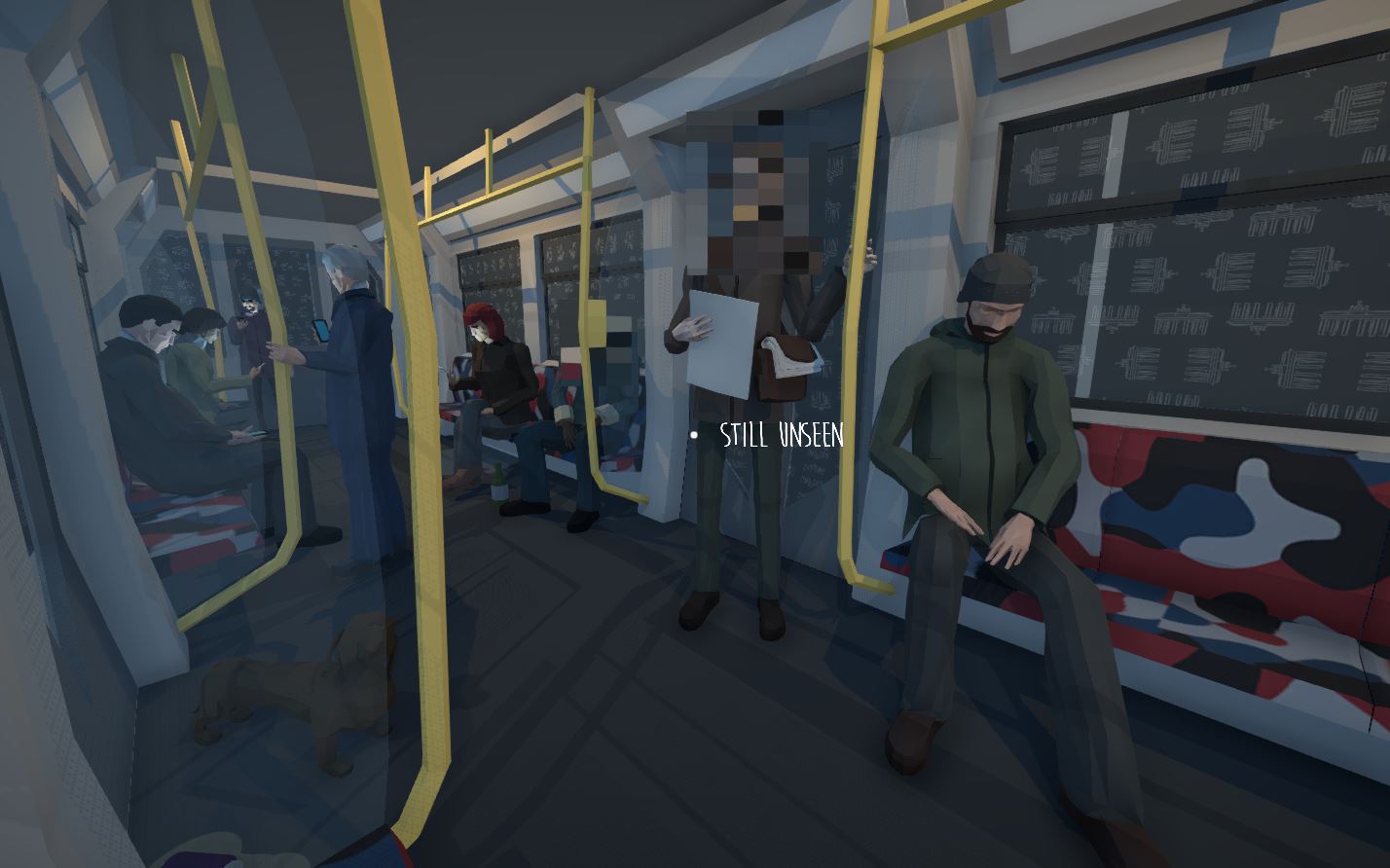
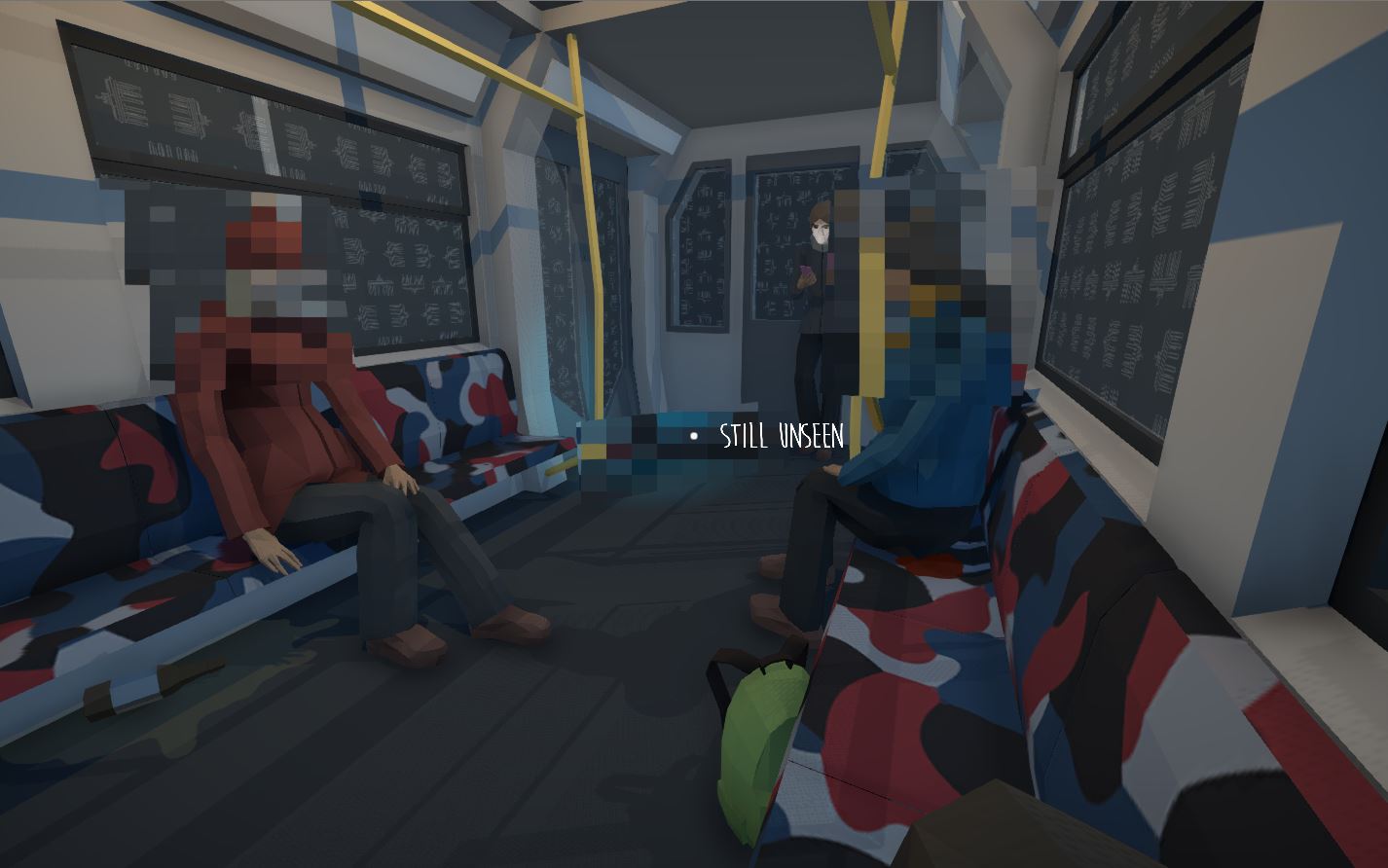
In this game, players engage with individuals who are often ignored in the Berlin metro, gradually uncovering their stories and personal backgrounds. Through these conversations, the once-invisible become visible, both in the game and in players’ awareness.
In my thesis, I was researching Procedural Rhetoric, the concept describing the way video games can use rules to communicate ideas and potentially produce behavioral changes.
Having players engage directly with the personal stories of homeless individuals in the game aims to humanize a social issue, allowing them to feel more connected to and compassionate towards people in similar situations in real life. Further, the game is supposed to encourage a deeper reflection on real-world social issues, challenging players to question their own beliefs and the systems that shape their perspectives.
This project required managing a high workload as a solo developer, portraying homelessness with sensitivity, integrating nuanced procedural rhetoric, and crafting engaging gameplay that fosters empathy and awareness. These challenges were intensified by the responsibility of tackling a socially significant theme alone, making it crucial to navigate each aspect thoughtfully.
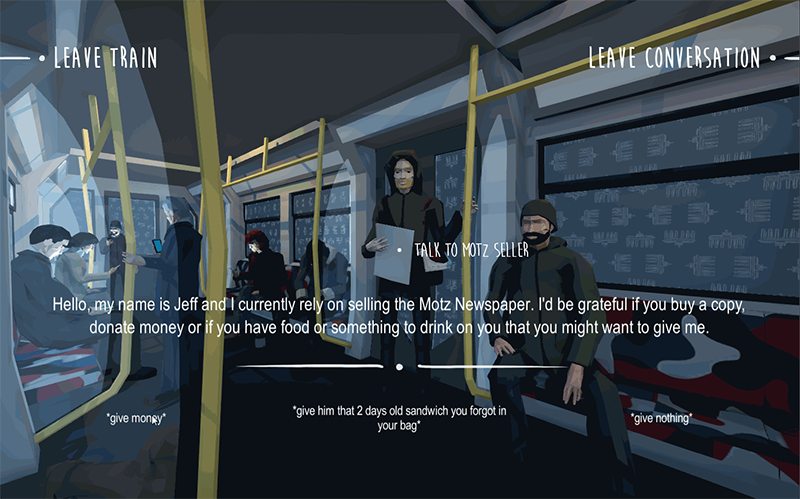
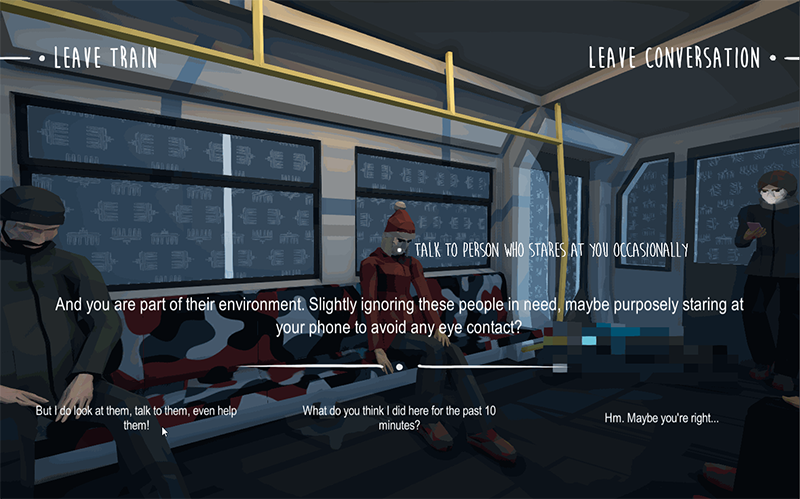
I conducted in-depth research on social invisibility, inequality, and discrimination relating to homelessness. This includes understanding real stories from affected individuals, societal perceptions, and the root causes. I was able to interview people who have experienced homelessness to incorporate authentic stories.
Crafting compelling, respectful, and nuanced dialogue rooted in thorough research was essential to authentically portraying the realities of homelessness and societal attitudes, ensuring a genuine storyline. The entire interaction is thoughtfully designed to deepen the player’s understanding, highlighting the diverse backgrounds and unique circumstances of those affected.
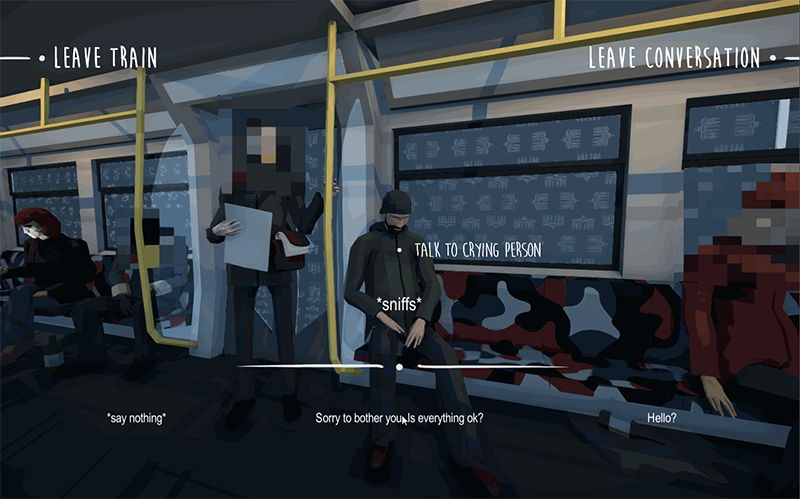
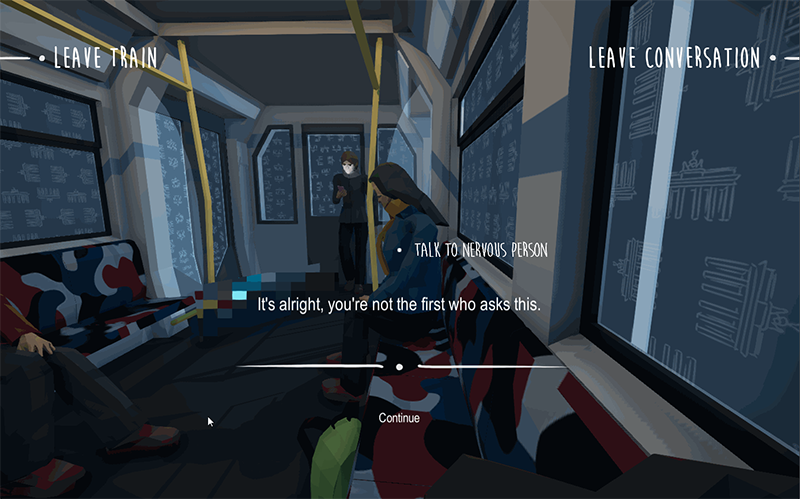
Narrative design and level design were closely intertwined in this project, as the progression of the game hinged on player conversations. Each dialogue followed a branching decision tree, allowing for multiple possible outcomes. Unlike many games that over-promise on the impact of player choices, I took an unconventional approach: certain decisions will result in the inability to progress further, effectively halting the game entirely.
This served merely as a critical element of its overall game design concept.
Ian Bogost’s Procedural Rhetoric focuses on using a game’s rules and mechanics to convey meaning. Instead of directly telling a story, the game’s systems reflect real-world dynamics, encouraging players to experience and understand complex issues through interaction. This approach lets players learn by engaging with the game’s structure, promoting critical thinking about real-world systems and issues.
All Game Mechanics were implemented based on this very concept to research it further. They were directly tailored to teach awareness and empathy towards other people.
I developed the structure of the player’s journey, such as how they navigate conversations, learn stories, and encounter new perspectives. The game’s core mechanics, flow, and player interactions were designed based on this theory.
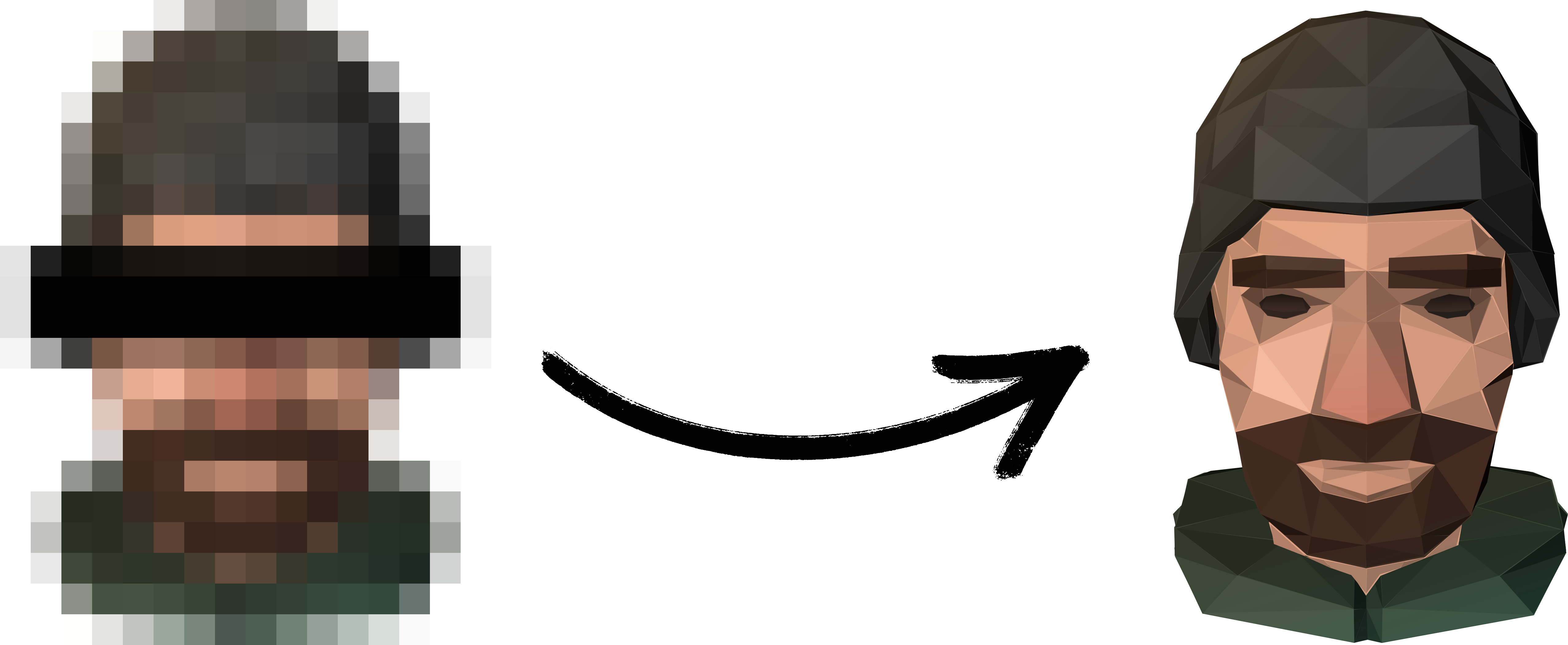
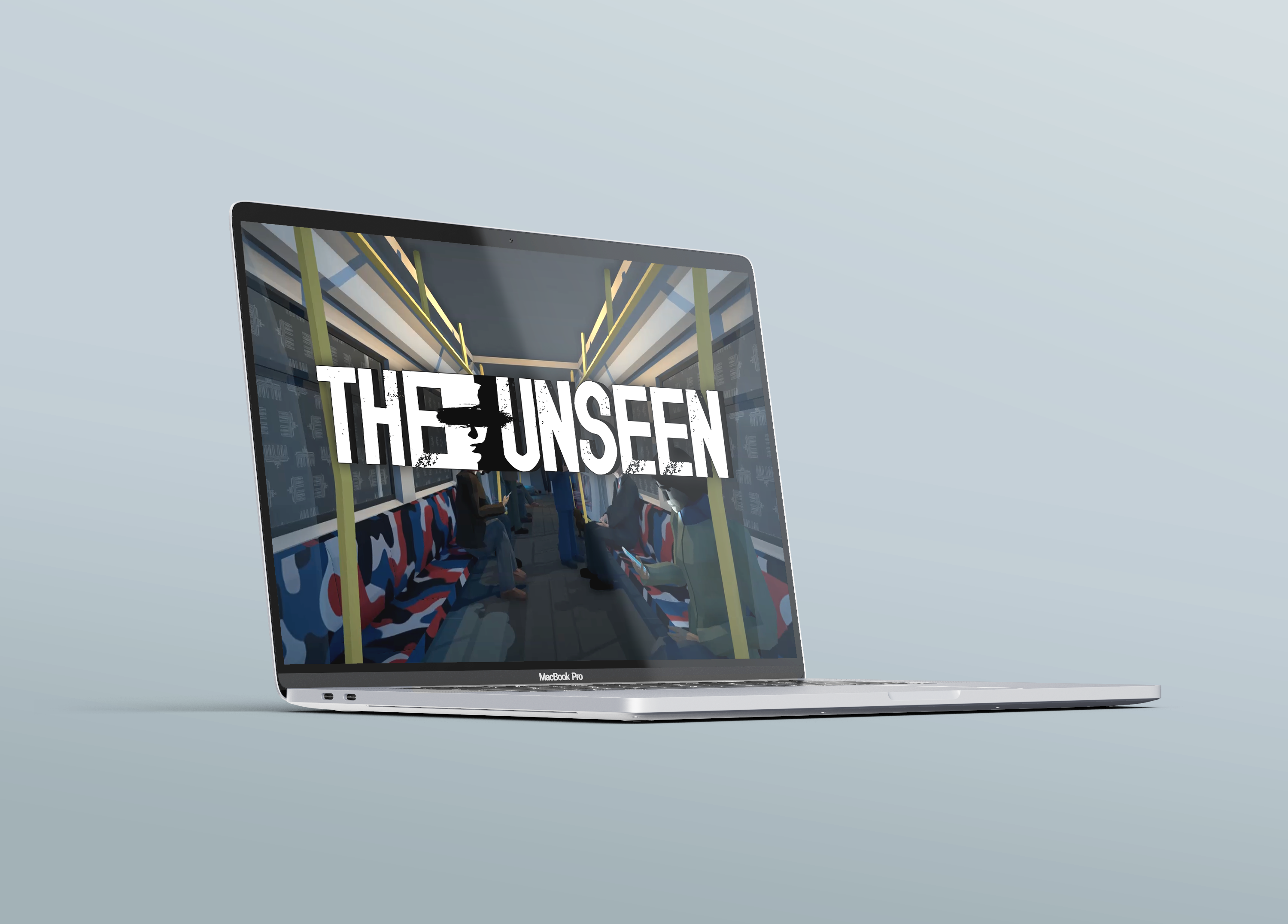
After evaluating the time frame, it became clear that priority needs to be Game Design, so I chose a minimalist but aesthetic art style. My design of characters, the environment, and UI elements convey empathy and respect for the characters’ stories. The mood was set through a muted, realistic color scheme.
The game was playtested regularly in development to ensure it functions smoothly and achieves its emotional objectives. Towards the end of production, I implemented more testing and feedback from a more diverse group of testers. This gave me valuable insight, so I was able to go into a new direction in one of the main interactions.
Managing all aspects of development alone was challenging. This was worsened by a grand scope and high orientation to detail. In the future, collaborating with a larger team or delegating tasks could improve efficiency and allow for deeper focus on key areas, such as game mechanics.
While testing towards the end of development yielded valuable insights, conducting broader playtests earlier in the process could have identified usability issues and informed design adjustments sooner.
This project deepened my grasp of crafting content that is authentic and credible. I also gained a profound understanding of designing an empathetic user experience, enabling me to create interactions that resonate emotionally and meaningfully with players.
The game won “Best Bachelor Project” in 2019 among all other BA projects of that mayor.
This idea has been in development for quite some time. I previously created a smaller game called Pvrty with a similar theme during a game jam, which served as an early exploration of the concept. The issue resonated deeply with me, inspiring a desire to create a more impactful and meaningful game to further explore and address it.
This project reflects my dedication to using game design as a medium for social impact, fostering empathy, and sparking critical dialogue about pressing real-world issues.
The Unseen is more than a game—it’s an invitation to reflect, connect, and see the world through a more compassionate lens.
In 2019 the project was honored with the 1st prize for “Best Bachelor Project”.

Hub IT allows your business and technology computers to store, transmit, analyze, and manipulate big data.
Hub IT allows your business and technology computers to store, transmit, analyze, and manipulate big data.
Learn more Hub IT allows your business and technology computers to store, transmit, analyze, and manipulate big data.
Learn more Hub IT allows your business and technology computers to store, transmit, analyze, and manipulate big data.
Learn more Hub IT allows your business and technology computers to store, transmit, analyze, and manipulate big data.
Learn moreDevelopment of a sitting simulator in context of my bachelor’s degree.
In this game, players engage with individuals who are often ignored in the Berlin metro, gradually uncovering their stories and personal backgrounds. Through these conversations, the once-invisible become visible, both in the game and in players’ awareness.
In my thesis, I was researching Procedural Rhetoric, the concept describing the way video games can use rules to communicate ideas and potentially produce behavioral changes.
Having players engage directly with the personal stories of homeless individuals in the game aims to humanize a social issue, allowing them to feel more connected to and compassionate towards people in similar situations in real life. Further, the game is supposed to encourage a deeper reflection on real-world social issues, challenging players to question their own beliefs and the systems that shape their perspectives.
This project required managing a high workload as a solo developer, portraying homelessness with sensitivity, integrating nuanced procedural rhetoric, and crafting engaging gameplay that fosters empathy and awareness. These challenges were intensified by the responsibility of tackling a socially significant theme alone, making it crucial to navigate each aspect thoughtfully.
Genre: Sitting Simulator, Serious Game
Engine: Unity
Tools: Photoshop, Blender, Cinema 4D, After Effects
Team Size: 3
Duration: Jan 2019 – April 2019
Platform: PC
Awards & Recognition: Winner “Best Bachelor Project” (2019)
Firstly, I conducted in-depth research on social invisibility, inequality, and discrimination. This includes understanding real stories from homeless individuals, societal perceptions, and the root causes of homelessness. I was able to interview people who have experienced homelessness to incorporate authentic stories.
Developing compelling, respectful, and nuanced dialogue that captures the realities of homelessness and societal attitudes, based on research insights, was important to ensure an authentic story line. The complete Interaction is designed to add layers to the player’s understanding, reflecting the diverse backgrounds and situations of affected individuals.
Narrative Design was also Level Design for this project, since the conversations progresses the game. Every conversation has different possible outcomes because of a decision tree. While some Games were falsely advertising that a different decision lead to a different outcome
For the purpose of the Game Design.
Ian Bogost’s Procedural Rhetoric focuses on using a game’s rules and mechanics to convey meaning. Instead of directly telling a story, the game’s systems reflect real-world dynamics, encouraging players to experience and understand complex issues through interaction. This approach lets players learn by engaging with the game’s structure, promoting critical thinking about real-world systems and issues.
All Game Mechanics were implemented based on this very concept to research it further. They were directly tailored to teach awareness and empathy towards other people.
I developed the structure of the player’s journey, such as how they navigate conversations, learn stories, and encounter new perspectives. The game’s core mechanics, flow, and player interactions were designed based on this theory.
After evaluating the time frame, it became clear that priority needs to be Game Design, so I chose a minimalist but aesthetic art style. My design of characters, the environment, and UI elements convey empathy and respect for the characters’ stories. The mood was set through a muted, realistic color scheme.
The game was playtested regularly in development to ensure it functions smoothly and achieves its emotional objectives. Towards the end of production, I implemented more testing and feedback from a more diverse group of testers. This gave me valuable insight, so I was able to go into a new direction in one of the main interactions.
Adding {{itemName}} to cart
Added {{itemName}} to cart